Address
304 North Cardinal
St. Dorchester Center, MA 02124
Work Hours
Monday to Friday: 7AM - 7PM
Weekend: 10AM - 5PM
Address
304 North Cardinal
St. Dorchester Center, MA 02124
Work Hours
Monday to Friday: 7AM - 7PM
Weekend: 10AM - 5PM

Is your inner voice a soundtrack of rejection? Learn what the abandonment melody is, how it distorts reality, and a framework to finally silence it for good.
There is a quiet, persistent tune playing in the background of your thoughts. It is not a song you chose. It is a soundtrack of warning, a loop of anticipation for loss. This is the abandonment melody. It is the internal narrative that whispers, “They will leave,” “You are not enough,” or “This good thing cannot last,” long before any real evidence appears. It is the feeling of waiting for the other shoe to drop, even when things are calm.
This melody is not random mental noise. It is often a learned composition, pieced together from past experiences, subtle messages, or significant losses. Its purpose feels protective: to brace you for hurt by expecting it first. But instead of shielding you, it isolates you. It can make you hesitant to trust, quick to pull away, or prone to interpreting neutral events as confirmation of your deepest fears. Your inner voice constantly whispers warnings of impending rejection, creating a filter that distorts your perception of connection and reality.
The abandonment melody does not just affect your mood; it actively architects your world. It influences how you interpret words, actions, and silences. A delayed text becomes proof of disinterest. A partner’s quiet mood transforms into a sign of waning affection. A friend rescheduling plans confirms you are not a priority.
This process creates a self-fulfilling prophecy. The anxiety generated by the melody can lead to behaviors—like seeking constant reassurance, withdrawing emotionally, or testing relationships—that strain the very connections you hope to keep. You end up responding to the catastrophic soundtrack in your head, not the actual person in front of you.
In each case, the melody is the conductor, and your actions follow its dire rhythm. The goal becomes managing the fear of abandonment, not experiencing the richness of a secure bond.
To change the music, you must first recognize its specific notes. The abandonment melody is often a mix of core beliefs and predictive thoughts.
Mapping this sequence is the first step in dismantling its power. It allows you to see the melody as a predictable pattern, not an inevitable truth.
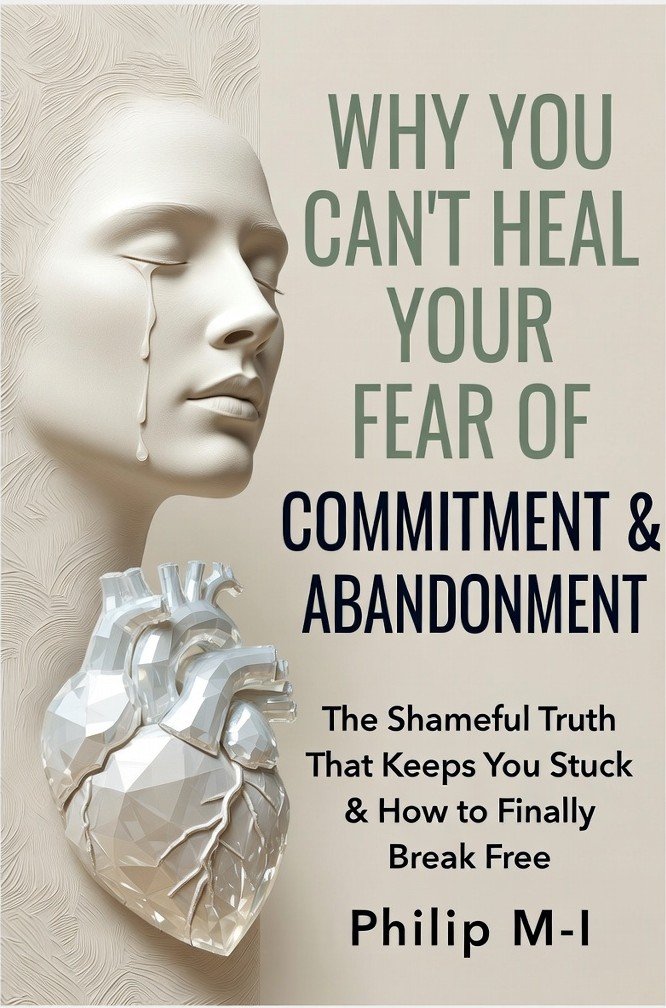
The path forward is not about positive thinking or simply ignoring the fear. It is about developing the skill to identify and silence the catastrophic soundtrack so you can hear reality. This requires becoming the architect of your own internal experience, consciously designing a new foundation for your thoughts and reactions.
This involves practical techniques:
While understanding the concept is one thing, implementing lasting change requires a structured framework. This is where a dedicated guide becomes invaluable. For those ready to deconstruct their abandonment melody and build a resilient, secure inner world, the resource The Reality Architect provides a comprehensive blueprint.
Think of The Reality Architect as a practical guide for cognitive and emotional reconstruction. It does not just explain why you hear the melody; it gives you the specific tools to dismantle it, note by note, and compose a new, healthier internal narrative. It moves you from insight to action, helping you build a foundation where your perceptions are based on present-moment reality, not the echoes of past pain.
Your mind’s capacity for change is profound. The abandonment melody was learned, which means it can be unlearned and replaced. The work of becoming your own Reality Architect is about consistent, compassionate practice. It is about catching the old tune, pausing it, and consciously choosing a different response. Over time, the new, quieter narrative of security and accurate perception becomes the default.
The silence you crave is not an empty void. It is the quiet space where you can finally hear what is truly there: the nuanced, real sounds of your relationships and your own worth, free from the distortion of a fearful soundtrack. You can move from anticipating loss to participating fully in the connections you have, with clarity and calm.