Address
304 North Cardinal
St. Dorchester Center, MA 02124
Work Hours
Monday to Friday: 7AM - 7PM
Weekend: 10AM - 5PM
Address
304 North Cardinal
St. Dorchester Center, MA 02124
Work Hours
Monday to Friday: 7AM - 7PM
Weekend: 10AM - 5PM
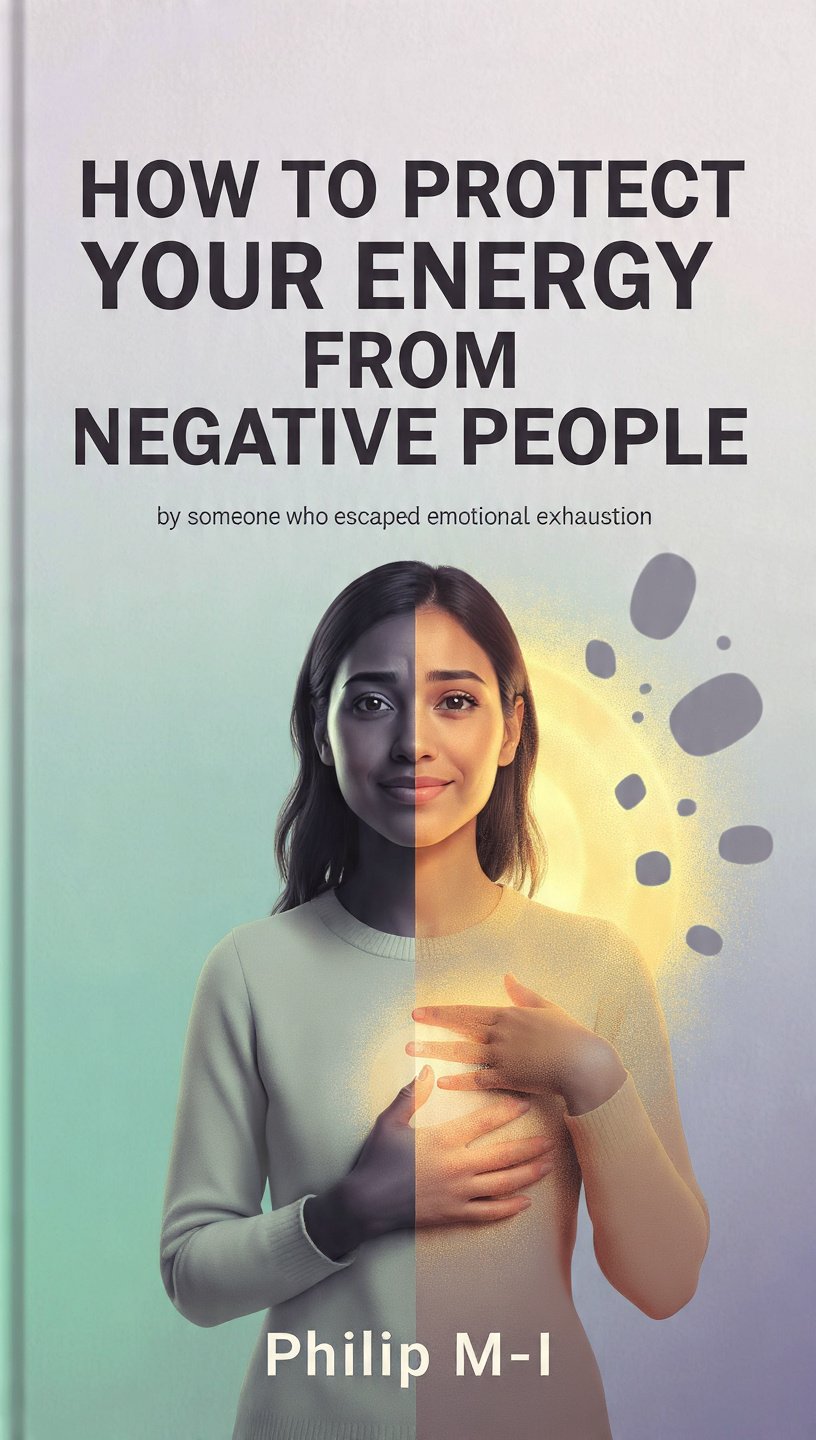
Explore the science of energy protection. Learn the neuroscience and psychology behind shielding yourself from draining interactions and preserving mental resources.
Have you ever left a conversation feeling inexplicably drained? Or walked into a room and immediately sensed a shift in your mood? Many people talk about “protecting your energy,” but if you’re someone who needs more than abstract concepts, this idea can feel vague and unscientific. You might be skeptical about energy work and need a logical reason to take it seriously. What if there was a concrete, evidence-based explanation for why these practices work? This isn’t about mysticism; it’s about the measurable impact of our interactions on our nervous system and mental state.
At the core of our experience is the autonomic nervous system. It operates in two primary states: the sympathetic (“fight, flight, or freeze”) and the parasympathetic (“rest and digest”). When we interact with stressful individuals or environments, our bodies can perceive a threat, triggering a sympathetic response. This state consumes a tremendous amount of physiological resources—increasing cortisol, spiking heart rate, and redirecting blood flow. This is biological energy depletion. Protecting your energy, from this perspective, means consciously managing your nervous system’s state to conserve these vital resources.
Why do other people’s moods affect us so deeply? The phenomenon is called emotional contagion. We have mirror neurons, brain cells that fire both when we perform an action and when we observe someone else perform it. This neural wiring is the basis for empathy, but it also means we can unconsciously “catch” emotions like stress, anxiety, or negativity from those around us. It’s not just in your head; it’s a documented psychological process. Your feeling of being drained after being with a pessimistic colleague is, in part, your brain mirroring and processing their emotional state.
Every interaction requires cognitive processing. Dealing with demanding, dramatic, or negative people significantly increases your cognitive load. Your brain works overtime to manage the social dynamics, interpret subtext, and regulate your own responses. This mental expenditure leaves less bandwidth for focus, creativity, and problem-solving in other areas of your life. Effective energy protection involves strategies to reduce this unnecessary cognitive tax, preserving your mental clarity for what truly matters.
Understanding the science is the first step. The next is applying practical techniques grounded in these principles. Think of it as hygiene for your mental and emotional space.
Knowing why these methods work makes them more credible and easier to implement consistently. When you perform a simple grounding technique, you can understand you are directly influencing your vagus nerve to promote calm. When you choose to limit time with a certain person, you are managing your exposure to emotional contagion and high cognitive load. This logical framework transforms energy protection from an esoteric concept into a series of intentional, personal maintenance habits.

For those who appreciate a structured, science-backed approach to this practice, specific resources can bridge the gap between theory and daily habit. The DreamManifestor123 program is designed with this very perspective. It moves beyond metaphor to offer a clear system to understand the neuroscience and psychology that makes these techniques so effective. This approach provides the logical architecture skeptics often seek, turning abstract ideas into actionable steps for preserving mental and emotional resources.
Protecting your energy is ultimately about self-awareness and proactive self-management. It’s a practice supported by our understanding of human biology and psychology. By viewing your energy as a reflection of your nervous system state, cognitive load, and social environment, you can adopt precise strategies to safeguard it. This empowers you to engage with the world from a place of strength and reserve, rather than depletion. The goal isn’t to avoid all people, but to interact with greater intention and preserve your capacity for a focused, resilient, and balanced life.