Address
304 North Cardinal
St. Dorchester Center, MA 02124
Work Hours
Monday to Friday: 7AM - 7PM
Weekend: 10AM - 5PM
Address
304 North Cardinal
St. Dorchester Center, MA 02124
Work Hours
Monday to Friday: 7AM - 7PM
Weekend: 10AM - 5PM

Learn how to protect your energy from workplace negativity. Create a personal bubble of peace with practical strategies to thrive in a toxic environment.
You know the feeling well. It creeps in around Sunday afternoon, a heavy weight settling in your stomach. The weekend’s freedom is slipping away, replaced by the looming dread of Monday morning. It’s not the work itself that causes this anxiety, but the environment you have to walk into. The constant complaining, the subtle put-downs, the competitive energy, and the emotional drain of navigating office politics. This feeling is a clear signal that your work environment is taking a toll on your personal energy. Learning how to protect your energy is no longer a luxury for spiritual practitioners; it’s a necessary skill for professional survival and personal well-being.
Your energy is your most valuable asset. It fuels your focus, creativity, and resilience. When your energy is constantly depleted by a negative atmosphere, your performance suffers, your motivation plummets, and your risk of burnout skyrockets. This isn’t just about feeling better; it’s about performing at your best. A protected energy field allows you to think clearly, make sound decisions, and maintain a sense of calm competence, even when those around you are losing their composure. It’s the difference between being reactive—snapping back at a negative comment—and being responsive—choosing a reply that maintains your boundaries and your peace.
Before you can build defenses, you need to identify the threats. Energy vampires aren’t always obvious villains; they often operate under the guise of normalcy. Here are some common types you might recognize:
Simply putting a name to these behaviors is the first step in disarming their power over you.
Creating a personal bubble of peace doesn’t mean building a literal wall around your desk. It’s about establishing internal and external practices that shield your mental and emotional state. This bubble allows you to be present and productive without absorbing the toxic energy of your surroundings.
The state you arrive in sets the tone for your entire day. Instead of rushing out the door while checking work emails, invest 10-15 minutes in a centering practice. This could be meditation, a short walk, listening to uplifting music, or writing in a journal. The goal is to fill your own cup first, creating a reservoir of calm that you can draw from later. When you walk into the office from a place of centered strength, you are less likely to be knocked off balance by the first negative comment you hear.
You have a finite amount of energy. Choosing where to spend it is a critical skill. This means learning to disengage from conversations that are purely negative or gossip-filled. You don’t need to be rude. Practice polite but firm exit lines like, “I need to get back to this project,” or simply offer a non-committal nod and change the subject. When a colleague begins venting about something unchangeable, you can acknowledge their feeling without joining the complaint chorus. Say, “I hear that’s frustrating,” and then steer the conversation toward a solution or a neutral topic.
Your physical space and digital habits can significantly impact your energy. If you have a private office, shut your door for periods of focused work. In an open plan, noise-canceling headphones can be a powerful signal that you are in deep work mode and not available for casual negativity. Digitally, turn off non-essential notifications. The constant ping of a stressful team chat can keep you in a state of high alert. Schedule specific times to check messages rather than being at their mercy all day.
Your breath is an anchor to the present moment and a tool you always have with you. When you feel your energy being pulled or your stress levels rising, take a minute for a breathing reset. A simple technique is the 4-7-8 method: inhale through your nose for a count of four, hold your breath for a count of seven, and exhale slowly through your mouth for a count of eight. This activates your parasympathetic nervous system, calming your body’s stress response and helping you regain your composure before you react.
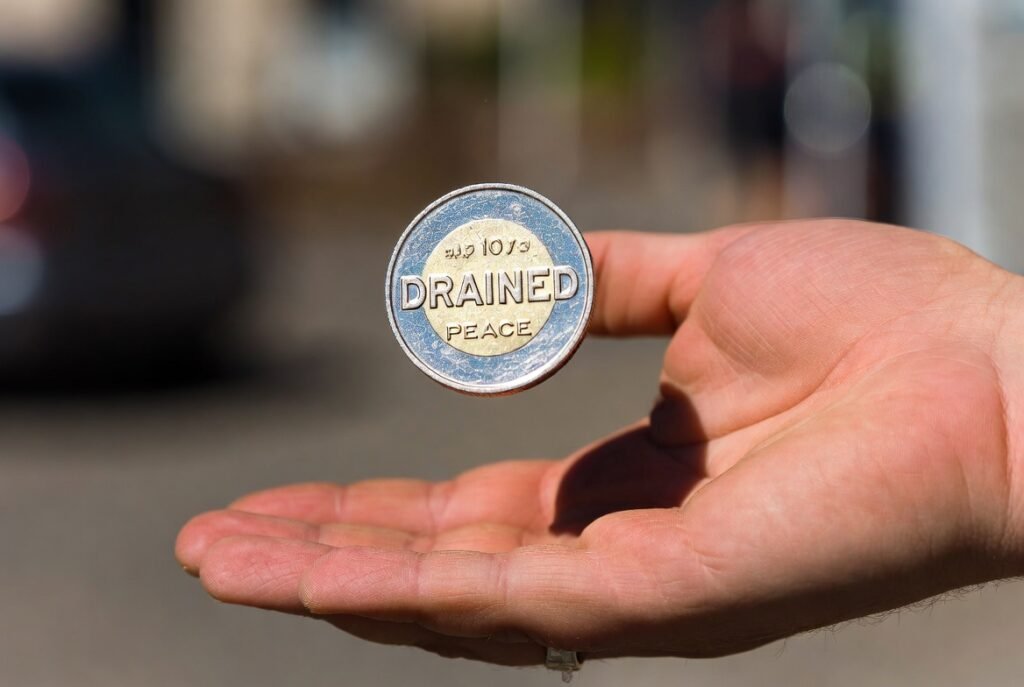
What you focus on expands. If you spend your day focusing on what’s wrong, your energy will reflect that. Make a conscious effort to also notice what is working. Did you complete a task? Did a colleague offer a helpful suggestion? Take a moment to acknowledge these small wins. This isn’t about toxic positivity, which ignores real problems, but about balanced perception. It’s about refusing to let negativity become the only lens through which you view your job.
While daily habits are powerful, sometimes you need a structured system to create lasting change. This is where specialized guidance can make a significant difference. The DreamManifestor123 program offers a concrete framework for those serious about safeguarding their mental and emotional space. It moves beyond quick tips to provide a deeper understanding of energy dynamics and practical techniques to maintain your personal power in challenging environments. Integrating such a system can help you build the resilient mindset needed to not just survive, but genuinely thrive.
The energy you bring to your work and your life is precious. Allowing a negative workplace to constantly deplete it comes at a high cost to your health, happiness, and performance. By implementing these strategies, you stop being a passive target and start being the conscious creator of your own experience. You learn to protect your energy as a fundamental act of self-respect. The goal isn’t to change the people around you—that’s often outside your control. The goal is to change how you interact with and are affected by them. You can create that personal bubble of peace, do meaningful work, and leave each day feeling intact, knowing you have the tools to preserve your most valuable resource: you.