Address
304 North Cardinal
St. Dorchester Center, MA 02124
Work Hours
Monday to Friday: 7AM - 7PM
Weekend: 10AM - 5PM
Address
304 North Cardinal
St. Dorchester Center, MA 02124
Work Hours
Monday to Friday: 7AM - 7PM
Weekend: 10AM - 5PM
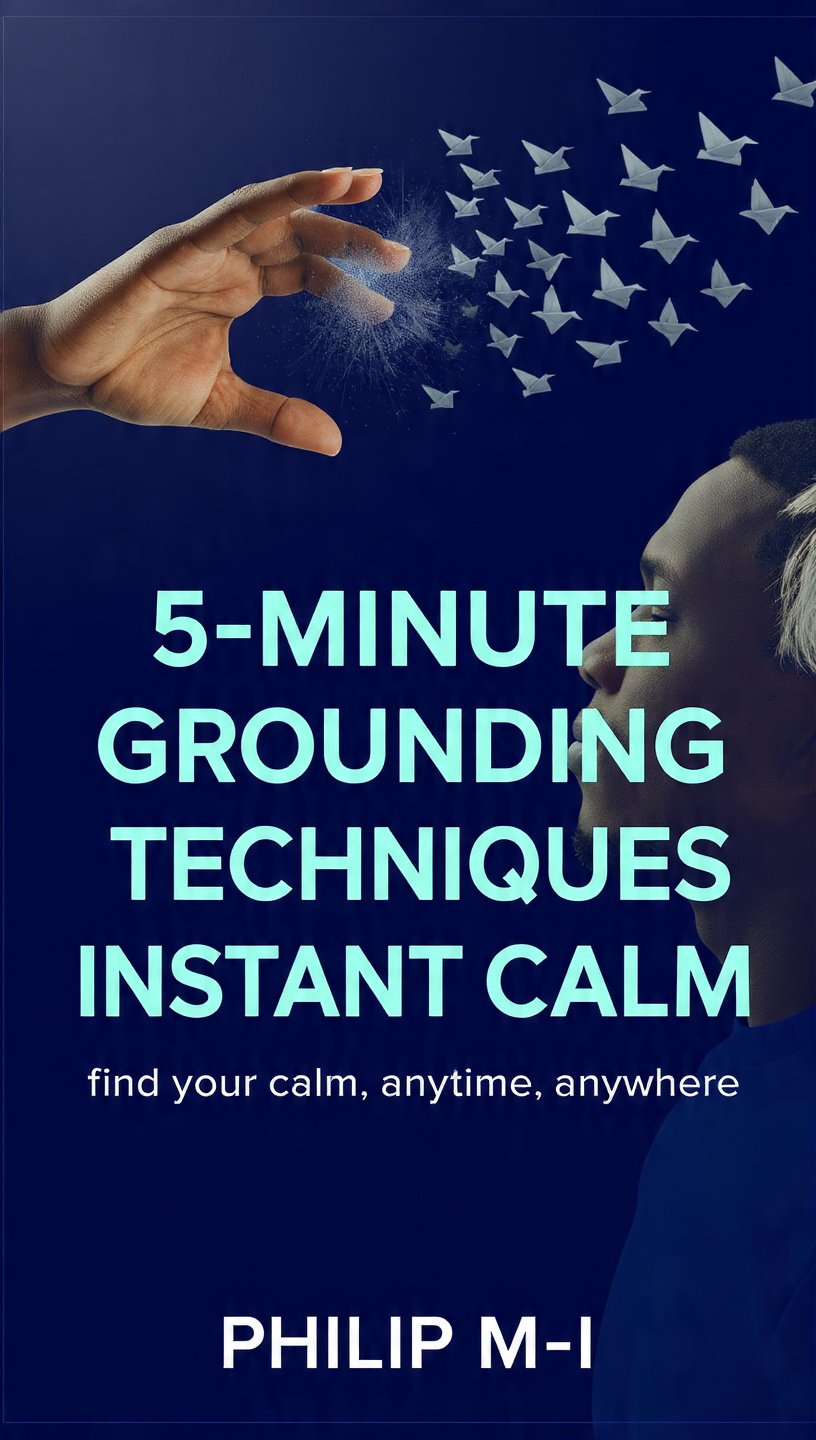
Learn how to stop a panic attack in 5 minutes with immediate grounding techniques. Find instant calm and regain control when anxiety feels overwhelming.
The heart hammers against your ribs, a frantic drumbeat of pure fear. Your breath hitches, becoming shallow and insufficient. The world seems to tilt, sounds become muffled or overly sharp, and a terrifying sense of doom descends, making rational thought feel impossible. You are not having a heart attack, though it certainly feels like it. You are in the grip of a panic attack, a sudden, overwhelming surge of anxiety and fear. In these moments, the primary need is for immediate, accessible relief. The feeling of being paralyzed by the experience creates an urgent demand for tools that can ground you, right here, right now.
Understanding what is happening to your body can be the first step toward regaining control. A panic attack is your body’s ancient survival system, the fight-or-flight response, being activated at the wrong time. It’s a physiological cascade, not a character flaw. Your body is flooding with adrenaline, preparing you to face a mortal threat, even though no tangible danger is present. This explains the common symptoms: racing heart, sweating, trembling, shortness of breath, chest pain, nausea, dizziness, and a feeling of being detached from reality. Recognizing these sensations as a misfire of your internal alarm system, rather than a true catastrophe, can create a small but critical space between you and the panic.

The key to stopping a panic attack lies in interrupting the body’s stress cycle and convincing your nervous system that you are safe. Grounding techniques are designed to do exactly that—they pull your focus away from the internal storm and anchor you in the present moment through your senses. The goal is not to fight the panic, but to guide your attention elsewhere until the wave passes. Here is a practical, five-minute plan you can use anywhere.
Do not try to take deep, dramatic breaths immediately. When panicked, this can sometimes make things worse. Start by simply noticing your breath without judgment. Then, begin to gently steer it. A highly effective method is the 4-7-8 breathing technique. Inhale quietly through your nose for a count of four. Hold your breath for a count of seven. Then, exhale completely through your mouth, making a whoosh sound, for a count of eight. Repeat this cycle three or four times. This specific pattern helps to slow the heart rate and encourages a relaxation response in the nervous system.
Your sense of touch is a powerful and immediate connection to the physical world. Find something nearby and focus all your attention on its texture. This could be the cool, smooth surface of a table, the rough fabric of your jeans, or the soft skin on your arm. If you can, hold a piece of ice in your hand. The sharp, cold sensation is a strong physical stimulus that can override the panic signals. Another option is to press your palms together firmly, feeling the tension and warmth in your hands and arms.
Now, widen your focus. Look around you and silently name five things you can see. Be specific—”I see the black frame of my glasses,” or “I see a small scratch on the wall.” Next, identify four things you can feel—”I feel the chair supporting my back,” “I feel my feet flat on the floor.” Then, listen for three distinct sounds. They can be quiet or loud, internal or external—”I hear the hum of the refrigerator,” “I hear a car passing outside,” “I hear the sound of my own breathing.” This method, often called the 5-4-3-2-1 technique, systematically pulls your brain into the present environment.
The thoughts during a panic attack are often catastrophic. “I’m dying,” “I’m losing control,” or “This will never end.” Challenge these thoughts with a simple, factual mantra. Repeat to yourself, calmly and firmly: “This is a panic attack. It is uncomfortable, but it is not dangerous. It is temporary, and it will pass.” By labeling the experience, you strip it of its mysterious power. You are not dying; you are experiencing a well-documented physiological response that has a beginning, a middle, and an end.
As the intensity begins to subside, gently reconnect with your body. Slowly roll your shoulders. Gently turn your head from side to side. Wiggle your fingers and toes. If you are able, stand up and feel the full weight of your body on the floor. Take a slow sip of cold water. The goal is to reintroduce gentle movement and sensation, signaling to your body that the emergency is over and it is safe to return to a state of rest.
While these in-the-moment techniques are vital, having a structured set of tools can transform your ability to manage anxiety. Relying on scattered tips from the internet can be inconsistent. A dedicated resource, like the 5-Minute Grounding Techniques for Instant Calm guide, provides a reliable, always-available toolkit. This product compiles a range of expert-vetted methods into one accessible format, ensuring you never have to scramble for a solution when panic strikes. It is designed to offer not just crisis management, but a pathway toward building greater emotional resilience over time.
Grounding works because it leverages the way your brain processes information. During a panic attack, your amygdala (the fear center) is hyperactive, and your prefrontal cortex (responsible for rational thought) is less active. Grounding techniques force your prefrontal cortex back online. By engaging in the deliberate, sensory-focused tasks of grounding, you are essentially sending a message to your brain: “Hey, we’re busy counting blue objects and feeling textures over here. There’s no time for a false alarm.” This cognitive shift can de-escalate the panic cycle remarkably quickly.
Think of your coping strategies as a first-aid kit for your mind. You want it to be well-stocked and easy to access. Here are some items to include:
Managing acute panic attacks is one thing; addressing the underlying anxiety is another. If panic attacks are frequent or significantly impact your life, it is important to consult with a healthcare professional or a therapist. They can help you identify triggers, develop long-term coping strategies, and rule out any other medical conditions. Tools like grounding techniques are powerful for immediate relief and are a crucial part of a broader mental health strategy.

The paralysis of a panic attack is a real and frightening experience. But within you is the capacity to navigate it. By having a clear, practiced plan, you can move from a state of fear to a state of control. The wave of panic will recede, and you will be left standing, having proven to yourself that you can handle it. For those seeking a consolidated and reliable resource, exploring the techniques found in the 5-Minute Grounding Techniques for Instant Calm guide can provide the consistent support needed to reclaim your sense of peace and stability.