Address
304 North Cardinal
St. Dorchester Center, MA 02124
Work Hours
Monday to Friday: 7AM - 7PM
Weekend: 10AM - 5PM
Address
304 North Cardinal
St. Dorchester Center, MA 02124
Work Hours
Monday to Friday: 7AM - 7PM
Weekend: 10AM - 5PM

Learn how to protect your energy on social media with a practical strategy. Stop feeling drained and create a positive online experience that supports your mental well-being.
You put down your phone after a long scroll through your feeds. Instead of feeling connected or entertained, you’re left with a vague sense of unease. Perhaps it’s a simmering anger from a political argument you witnessed, a low-grade anxiety from seeing everyone’s seemingly perfect lives, or a hollow feeling of not measuring up. This experience is not a personal failing; it is a common consequence of how we interact with these platforms. Social media, for all its benefits, can function like a sieve for your personal energy, slowly leaking your mental and emotional resources without you even realizing it. The constant barrage of information, comparison, and curated highlights can leave you feeling depleted, irritable, and disconnected from your own reality. Learning how to protect your energy is no longer a luxury for the spiritually inclined; it is a necessary skill for digital well-being.
Think of your mental and emotional energy as a battery. Every interaction, every piece of information you process, and every emotion you feel draws power from this battery. Positive, genuine connections can be a slow charger. But negative interactions, endless scrolling, and social comparison are high-drain activities. When your battery is low, your resilience to stress diminishes, your mood can sour, and your ability to focus plummets. Social media platforms are designed to capture your attention, often by triggering strong emotional responses—both positive and negative. This constant state of low-grade stimulation is what leads to that familiar feeling of being drained after what was supposed to be a relaxing break. Recognizing that your energy is precious and finite is the first, most crucial step toward reclaiming it.
Your social media feed is your digital environment. Just as you would declutter a messy room to create a peaceful space, you must declutter your feed to create a healthier mental space. This isn’t about censorship; it’s about conscious consumption. Start by scrolling through your main feeds and paying close attention to how each account makes you feel. Does following a certain celebrity leave you feeling inadequate? Does a relative’s constant political rants spike your blood pressure? Does a former colleague’s perpetual vacation photos induce a sense of envy? If an account consistently evokes negative emotions, it is actively costing you energy.
This simple audit transforms your feed from a source of stress into a curated space that supports your well-being.
Beyond who you follow, how you consume content is critical. Mindless scrolling is the primary way your energy gets siphoned away. Setting intentional boundaries turns passive consumption into active choice. This involves both time and context. Designate specific times for checking social media, rather than allowing it to be a default activity throughout the day. Perhaps you check it for 15 minutes after lunch, but not during your first waking hour. This prevents the platforms from fragmenting your focus and stealing time from more restorative activities. Furthermore, be mindful of the context in which you use social media. Avoid using it right before bed, as the blue light and stimulating content can interfere with sleep quality, which is fundamental to your energy levels the next day. Similarly, try not to reach for it first thing in the morning, allowing your own thoughts and intentions to set the tone for the day, rather than the agendas of your feed.
The algorithm is designed to keep you passively consuming. Breaking this cycle is a powerful way to protect your energy. Instead of just watching the content roll by, shift your role from spectator to participant. This means prioritizing meaningful interactions over endless consumption. Leave a thoughtful comment on a friend’s post celebrating an achievement. Share an article you found insightful with a sentence about why it resonated with you. Send a direct message to someone whose work you admire. These small acts of active engagement change the dynamic. You are no longer just absorbing energy; you are creating connection and contributing value. This shift can make your time online feel more purposeful and less draining, transforming a one-way drain into a two-way exchange.
Comparison is perhaps the most significant energy thief on social media. It’s important to remember that you are comparing your behind-the-scenes reality to everyone else’s highlight reel. People naturally share their successes, vacations, and happy moments, not their daily struggles, insecurities, or mundane chores. When you feel the pang of envy or inadequacy, practice a mental reframe. Remind yourself that you are seeing a curated fragment, not the whole story. Cultivate gratitude for your own journey and accomplishments, however small they may seem. Another effective strategy is to use comparison as a tool for inspiration rather than self-criticism. If someone’s fitness journey inspires you, let it motivate your own goals instead of making you feel bad about where you are today. Protecting your energy requires this internal gatekeeping of your thoughts.
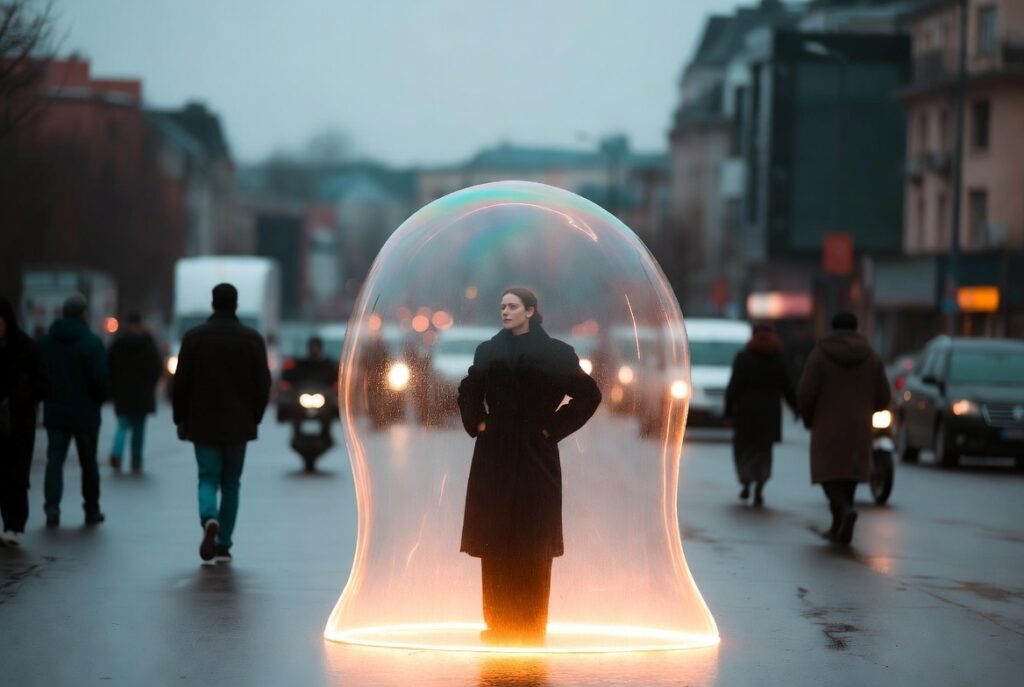
The work of protecting your energy does not stop when you log off. The feelings stirred up online can linger, affecting your mood and interactions in the real world. It is essential to have practices that help you process these emotions and recharge your internal battery. This is where a structured approach to energy management becomes invaluable. For those looking to build a resilient foundation, the DreamManifestor123 program offers a comprehensive guide. It provides practical techniques to shield yourself from external negativity and maintain your emotional equilibrium, not just online, but in all areas of life. Integrating such a system can help you establish a strong energetic baseline, making you less susceptible to the draining effects of digital life.
Creating a sustainable strategy is key. Here is a simple, actionable plan you can start implementing today.
By taking these proactive steps, you move from being a passive consumer of digital content to an active architect of your digital experience. You can build a positive online presence that supports your goals and well-being, rather than undermining it. The goal is not to abandon these platforms, but to learn how to use them in a way that respects and preserves your most valuable asset: your inner energy.