Address
304 North Cardinal
St. Dorchester Center, MA 02124
Work Hours
Monday to Friday: 7AM - 7PM
Weekend: 10AM - 5PM
Address
304 North Cardinal
St. Dorchester Center, MA 02124
Work Hours
Monday to Friday: 7AM - 7PM
Weekend: 10AM - 5PM
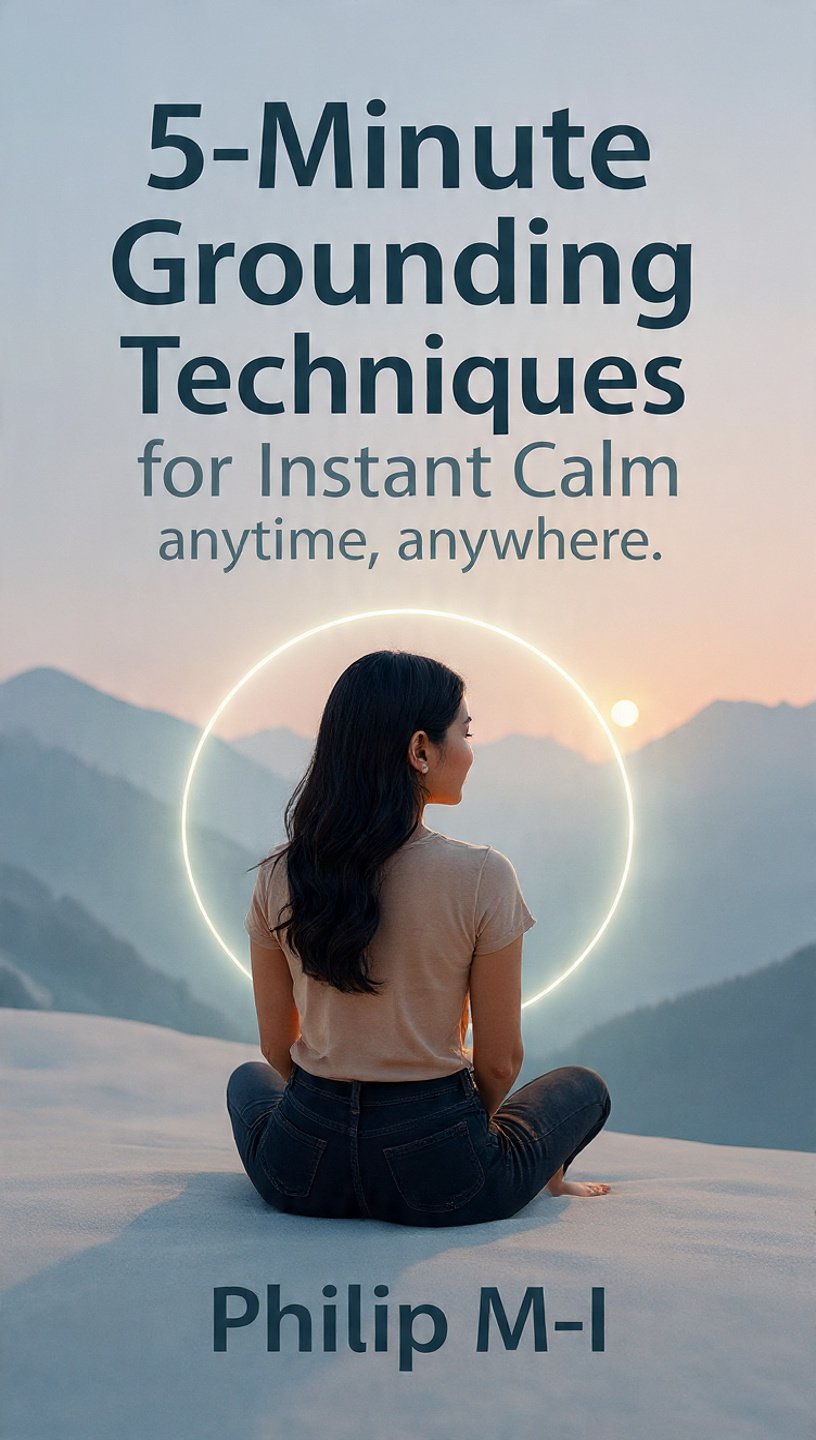
Learn how to feel grounded when stress leaves you disconnected. Explore simple, effective techniques to return to the present moment and find stability.
There is a particular kind of stress that doesn’t just feel like a bad day. It feels like you are coming untethered from the world around you. Your thoughts might race ahead to a dozen worst-case scenarios, or your body might feel like it’s buzzing with an uncomfortable energy you can’t discharge. This is the experience of feeling disconnected from your body and the present moment. It’s as if you’re watching your life through a screen, slightly out of sync and unable to fully engage. When this happens, what you need more than anything is to find a way back to yourself. You need to feel grounded.
To feel grounded is to have a firm sense of being present in your body and your immediate environment. It’s the opposite of that floating, anxious feeling. When you are grounded, your mind and body are in the same place at the same time. Your thoughts may still come, but they don’t sweep you away. You can observe your feelings without being completely overwhelmed by them. This state creates a foundation of stability, allowing you to respond to challenges from a place of calm rather than reacting from a place of panic.
This sensation of disconnection isn’t a personal failing; it’s a physiological response. When your brain perceives a threat, it activates the sympathetic nervous system, launching the classic “fight-or-flight” response. Hormones like cortisol and adrenaline flood your system. Your heart rate increases, your muscles tense, and your awareness narrows to focus on the perceived danger. This is incredibly useful if you need to run from a predator, but less so when the “threat” is a looming deadline or a difficult conversation.
In this heightened state, your connection to the present moment and the physical sensations of your body can fade into the background. Your system is too busy preparing for survival to bother with the feeling of your feet on the floor or the sound of the birds outside. The problem is that for many of us, this emergency state becomes a chronic one, leaving us feeling perpetually unmoored.
The good news is that you can actively counter this stress response. Grounding techniques are simple, practical exercises designed to pull your attention away from swirling thoughts and back into the here and now. They work by engaging your senses and redirecting your focus to your physical reality, which signals to your nervous system that the immediate danger has passed. Here are several methods you can use to find your center.
These techniques use physical sensations to anchor you firmly in your body.
When your thoughts are spinning, these exercises can help slow them down.
These techniques focus on offering yourself kindness and comfort.
While these in-the-moment techniques are powerful, creating a lifestyle that supports groundedness can make those moments of stress less frequent and intense.

Knowing a variety of techniques is one thing, but knowing which one to use in a moment of high stress is another. Sometimes, having a guided, structured resource can make all the difference. For those seeking a reliable and immediate way to find their center, the 5 Minute Grounding Techniques for Instant Calm guide offers a clear and accessible solution.
This resource is designed to cut through the noise of anxiety and provide direct, actionable methods to help you feel grounded quickly. It compiles effective exercises into a simple format you can turn to whenever that disconnected feeling arises, giving you a dependable tool to reclaim your sense of stability.
Feeling disconnected and stressed is a signal, not a life sentence. It is your body’s way of asking for a moment of attention and care. By practicing these grounding techniques, you are building a skill—the ability to return to yourself. It’s a gentle process of reminding your system that you are here, you are safe in this moment, and you have the capacity to find your footing again. The next time the world feels like it’s tilting, take one small step. Notice your breath. Feel your feet on the floor. In that simple act, you have already begun to find your way back.