Address
304 North Cardinal
St. Dorchester Center, MA 02124
Work Hours
Monday to Friday: 7AM - 7PM
Weekend: 10AM - 5PM
Address
304 North Cardinal
St. Dorchester Center, MA 02124
Work Hours
Monday to Friday: 7AM - 7PM
Weekend: 10AM - 5PM

Learn how to heal your relationship attachment style and break free from anxious or avoidant patterns. Create secure, lasting love with this comprehensive guide.
Do you ever feel a familiar sense of dread in a new relationship? Perhaps you find yourself checking your phone constantly for a text, interpreting a slight delay as a sign of impending rejection. Or maybe you feel a strong urge to pull away the moment someone gets too close, sabotaging a good thing before it can truly begin. If you notice a pattern of being anxious, avoidant, or even needy in your romantic life, you are likely encountering the powerful force of your relationship attachment style. This internal blueprint, formed in our earliest years, dictates how we connect, communicate, and cope with conflict in our adult partnerships. The good news is this blueprint is not a life sentence. Understanding and healing your relationship attachment style is the most profound work you can do to create the secure, loving connections you deserve.
The concept of attachment theory was first developed by psychologist John Bowlby and later expanded through the work of Mary Ainsworth. In its simplest form, it explains how the bond between a primary caregiver and an infant sets the stage for how that individual will relate to others throughout their life. Your caregivers’ ability to consistently respond to your needs for comfort, food, and safety taught you what to expect from the world. Were they a reliable source of comfort? Were they distant or unpredictable? The answers to these questions shaped your core beliefs about your own worthiness of love and the trustworthiness of others.
These early experiences crystallize into one of four primary attachment styles that we carry into adulthood:
If you do not have a secure attachment style, you are not broken. You developed brilliant survival strategies as a child to get your needs met in the environment you were in. The problem is that these same strategies often become major obstacles to healthy adult relationships.
Recognizing your specific attachment patterns is the first step toward changing them. These styles manifest in subtle and not-so-subtle ways in day-to-day dating and relationships.
If you have an anxious attachment style, you might:
If you have an avoidant attachment style (dismissive or fearful), you might:
These behaviors are not a reflection of your character; they are automatic protective mechanisms. The cycle is self-perpetuating: the anxious person’s pursuit triggers the avoidant person’s need for flight, which in turn fuels the anxious person’s fear of abandonment. Breaking this cycle requires moving from autopilot to conscious awareness.

While our primary attachment style tends to be stable, it is far from fixed. We can “earn” a secure attachment through intentional thought and action. This process is not about blaming your parents or your past. It is about taking radical responsibility for your own healing in the present. The goal is to rewire your nervous system to believe that you are safe, lovable, and capable of handling relationship challenges.
Healing is a multi-layered process that involves the mind, the body, and your daily habits. Here is a practical guide to begin your journey.
Start by becoming a curious observer of your own patterns. The next time you feel a surge of anxiety or an impulse to withdraw in a relationship, pause. Instead of reacting immediately, ask yourself:
This practice of mentalizing—thinking about your own thinking—creates a crucial gap between the trigger and your reaction. It allows you to respond from a place of choice rather than old, conditioned fear.
Attachment wounds live in the body. When your attachment system is activated, it can send you into a fight, flight, or freeze state. Learning to calm your nervous system is a non-negotiable skill for healing.
When you feel relationship anxiety rising, try these techniques:
Your attachment style is upheld by deep-seated beliefs about yourself and others. Anxious individuals often hold a belief like, “I am too much and not enough at the same time.” Avoidant individuals often believe, “I can only rely on myself.” These are not truths; they are outdated conclusions from childhood.
Begin to actively challenge and rewrite these narratives. Create a list of more accurate, empowering affirmations. For example:
Healing happens in connection with others. Changing how you communicate is essential for breaking old cycles.
If you have an anxious style, practice:
If you have an avoidant style, practice:
While the steps above provide a strong foundation for change, sometimes we need a more structured and profound approach to rewire patterns that feel deeply ingrained. Self-help articles can point the way, but a dedicated system can guide you through the transformation process with greater clarity and support.
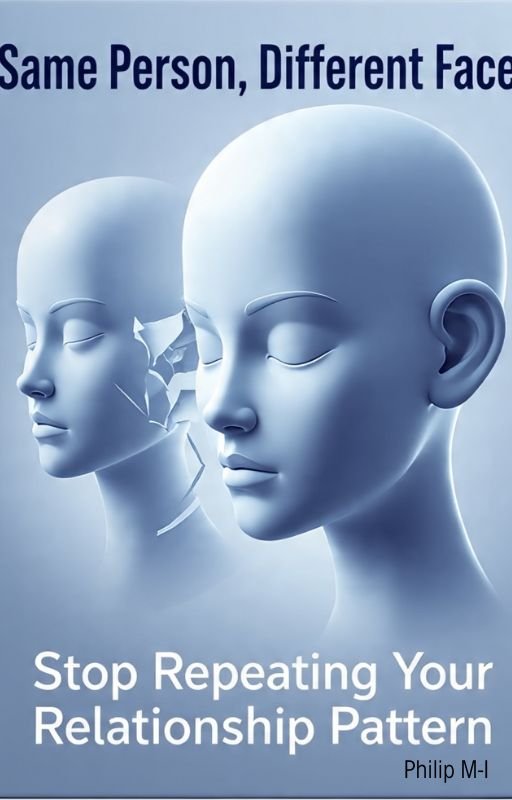
For those who are serious about breaking their relationship patterns for good, the guide Same Person Different Face Stop Repeating Your Fail Relationship Pattern offers a comprehensive path forward. This resource is specifically designed to help you identify the hidden roots of your attraction template and provides practical exercises to create new, healthier patterns. It moves beyond simple identification of your relationship attachment style and into the actual work of reprogramming your relational habits, allowing you to finally step out of the cycle and attract a partner who is truly capable of a secure, loving relationship.
The most important relationship you will ever have is the one you have with yourself. You cannot build a secure attachment with another person if you are not a source of security for yourself. This means learning to become your own reliable caregiver.
Work on building a consistent self-care practice that makes you feel grounded and whole. This is not about bubble baths; it is about making commitments to yourself and keeping them. It is about speaking to yourself with kindness and compassion, especially when you make a mistake. It is about learning to enjoy your own company and building a fulfilling life that you are proud of, with or without a partner. When you become a secure base for yourself, you stop looking for someone else to complete you or fix your emptiness. You enter relationships from a place of wholeness, not lack.
Healing your relationship attachment style is a journey of courage and commitment. It requires you to face old wounds and choose new ways of being, even when it feels unfamiliar and scary. There will be setbacks and moments where you fall back into old patterns. This is not failure; it is part of the process. The goal is progress, not perfection.
Every time you pause before reacting, every time you soothe your own anxiety, and every time you communicate a need clearly, you are weakening the old neural pathways and strengthening new ones. You are proving to yourself that you are no longer the child who had to develop those survival strategies. You are an adult with the capacity for choice, growth, and secure love. By doing this work, you are not just changing your own life; you are changing the legacy of your relationships for generations to come.