Address
304 North Cardinal
St. Dorchester Center, MA 02124
Work Hours
Monday to Friday: 7AM - 7PM
Weekend: 10AM - 5PM
Address
304 North Cardinal
St. Dorchester Center, MA 02124
Work Hours
Monday to Friday: 7AM - 7PM
Weekend: 10AM - 5PM
Struggling with an anxious mind at night? Learn effective bedtime grounding techniques for better sleep. Quiet your thoughts and drift off peacefully with these simple methods.
It is a familiar scene for many. The lights are off, the house is quiet, and you are physically exhausted. Yet, as soon as your head touches the pillow, your mind ignites. Thoughts about a work deadline, a forgotten errand, or a stressful conversation from three days ago begin to loop on a relentless carousel. Your body is pleading for rest, but your brain is wide awake, buzzing with anxiety and mental clutter. This frustrating state of being tired but wired is where the need for bedtime grounding techniques becomes essential.
Why does anxiety seem to amplify the moment we try to sleep? The quiet and lack of external stimulation create a vacuum that our thoughts are all too eager to fill. From a physiological standpoint, this “monkey mind” is often a sign of an overactive sympathetic nervous system—your body’s fight-or-flight response. Even though you are safe in bed, your body is reacting as if it is in danger, releasing stress hormones like cortisol that are directly opposed to the state of relaxation needed for sleep. Grounding techniques work by interrupting this stress response. They pull your awareness away from the internal chaos of your thoughts and into the present moment by engaging your senses. This shift activates the parasympathetic nervous system, which is responsible for rest, digestion, and sleep.
Grounding, in the context of mental health and sleep, is a set of simple strategies used to detach from emotional distress and anxious thoughts. The core principle is to anchor yourself in the “here and now.” Instead of getting lost in worries about the future or ruminations on the past, you focus on tangible, physical sensations in the present moment. This could be the feeling of your breath, the texture of your sheets, or the sound of a distant fan. By doing so, you give your cognitive brain a break from its churning and signal to your nervous system that it is safe to power down.
You do not need any special equipment to start grounding. These methods are designed to be accessible and easy to remember, even when your mind feels foggy with fatigue.
This is a classic and highly effective grounding exercise that engages all five senses. While lying in bed with your eyes closed, mentally note:
This process forces your brain to sequentially scan your environment for neutral or positive sensory input, effectively crowding out anxious thoughts.
Breathwork is a direct line to your nervous system. Box breathing, also known as square breathing, is a simple pattern that can quickly induce a state of calm.
Repeat this cycle for several minutes. The rhythmic, controlled nature of this breathing pattern gives your mind a single, simple task to focus on, slowing your heart rate and promoting relaxation.
This technique involves systematically tensing and then relaxing different muscle groups in your body. It builds a keen awareness of the physical difference between tension and release. Start with your toes. Clench them tightly for five seconds, noticing the sensation of tension. Then, release completely, feeling the wave of relaxation for thirty seconds. Move progressively upward to your calves, thighs, abdomen, hands, arms, shoulders, and finally, your face. This method not only grounds you in bodily sensation but also relieves the physical manifestations of stress that can keep you awake.

While the techniques above are powerful on their own, sometimes a structured guide can make the process even more effective, especially when you are new to the practice. Having a resource that walks you through varied exercises can prevent the process from becoming stale and help you find the specific methods that work best for your mind.
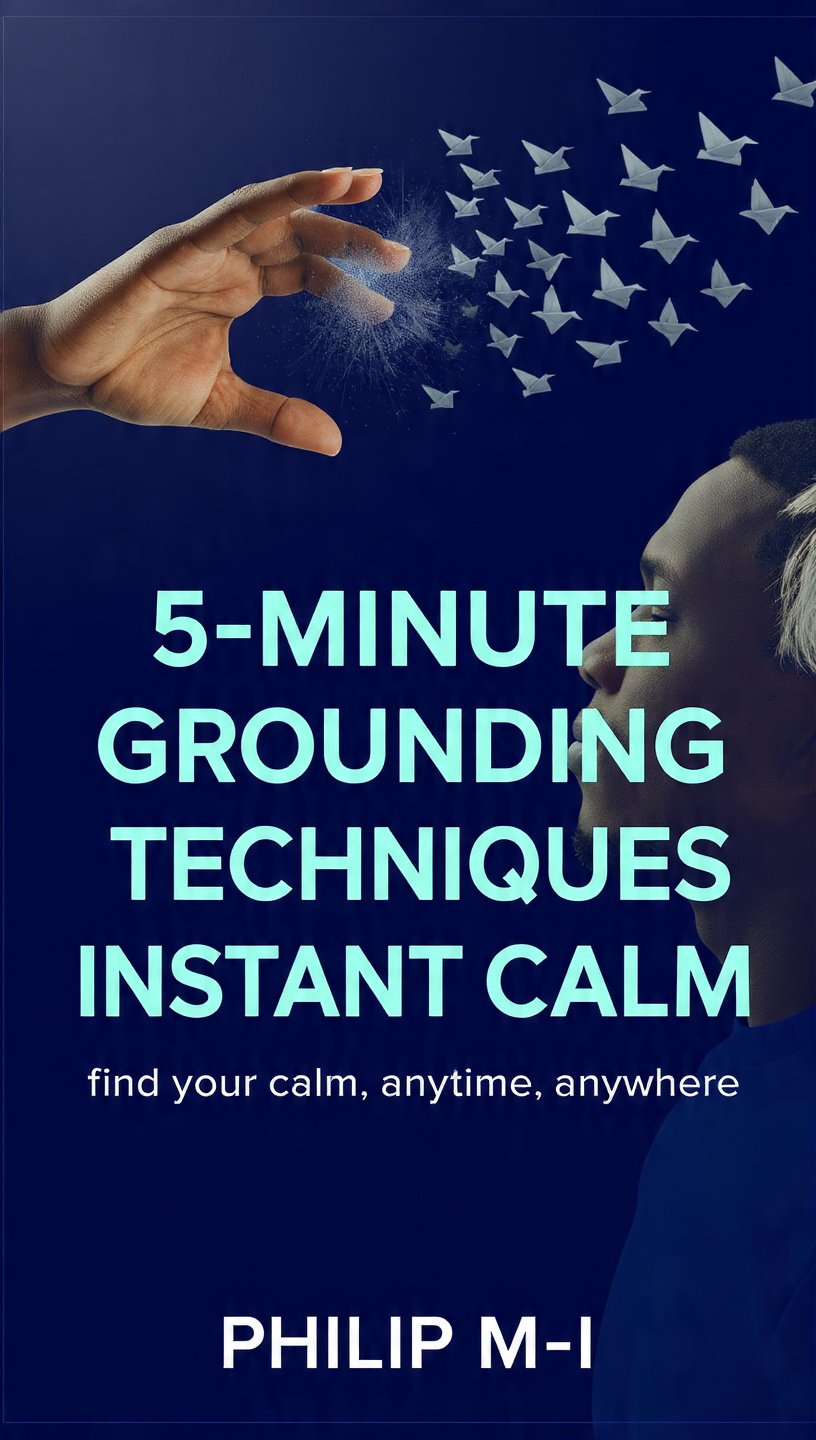
For those seeking a comprehensive and guided approach, consider exploring dedicated tools designed for this purpose. A resource like the 5 Minute Grounding Techniques for Instant Calm provides a curated collection of quick and effective exercises. This kind of guide is particularly useful because it offers structure, which can be comforting when your thoughts feel chaotic, and introduces variety to keep your practice engaging over the long term.
Consistency is key to making grounding an effective tool for sleep. Instead of waiting until you are already in a state of panic, integrate these techniques into a wind-down routine.
It is normal to encounter obstacles when you first start using grounding techniques. A common issue is frustration when thoughts intrude. Remember, the goal is not to achieve a perfectly blank mind, which is an unrealistic expectation. The goal is to notice when you have drifted and gently guide your attention back to your senses or your breath. Each time you do this, you are strengthening your mental muscle. Another challenge is falling asleep during the exercise—which, in the context of bedtime, is actually a sign of success!
Bedtime grounding techniques are more than just a trick for falling asleep. They are a practice in mindfulness that can improve your overall relationship with stress and anxiety. Over time, this practice can rewire your brain’s habitual responses, making it less likely for nighttime anxiety to take hold in the first place. By consistently bringing your awareness to the present, you teach your nervous system that your bed is a place of safety and rest, not a venue for problem-solving or worry.
The experience of lying in bed with an anxious mind is exhausting, but it is not a life sentence. By employing these bedtime grounding techniques, you can learn to quiet the internal noise and guide your body into the restful state it needs. Start with one technique that resonates with you, practice it with consistency, and be kind to yourself throughout the process. A more peaceful and restorative night’s sleep is well within your reach.