Address
304 North Cardinal
St. Dorchester Center, MA 02124
Work Hours
Monday to Friday: 7AM - 7PM
Weekend: 10AM - 5PM
Address
304 North Cardinal
St. Dorchester Center, MA 02124
Work Hours
Monday to Friday: 7AM - 7PM
Weekend: 10AM - 5PM
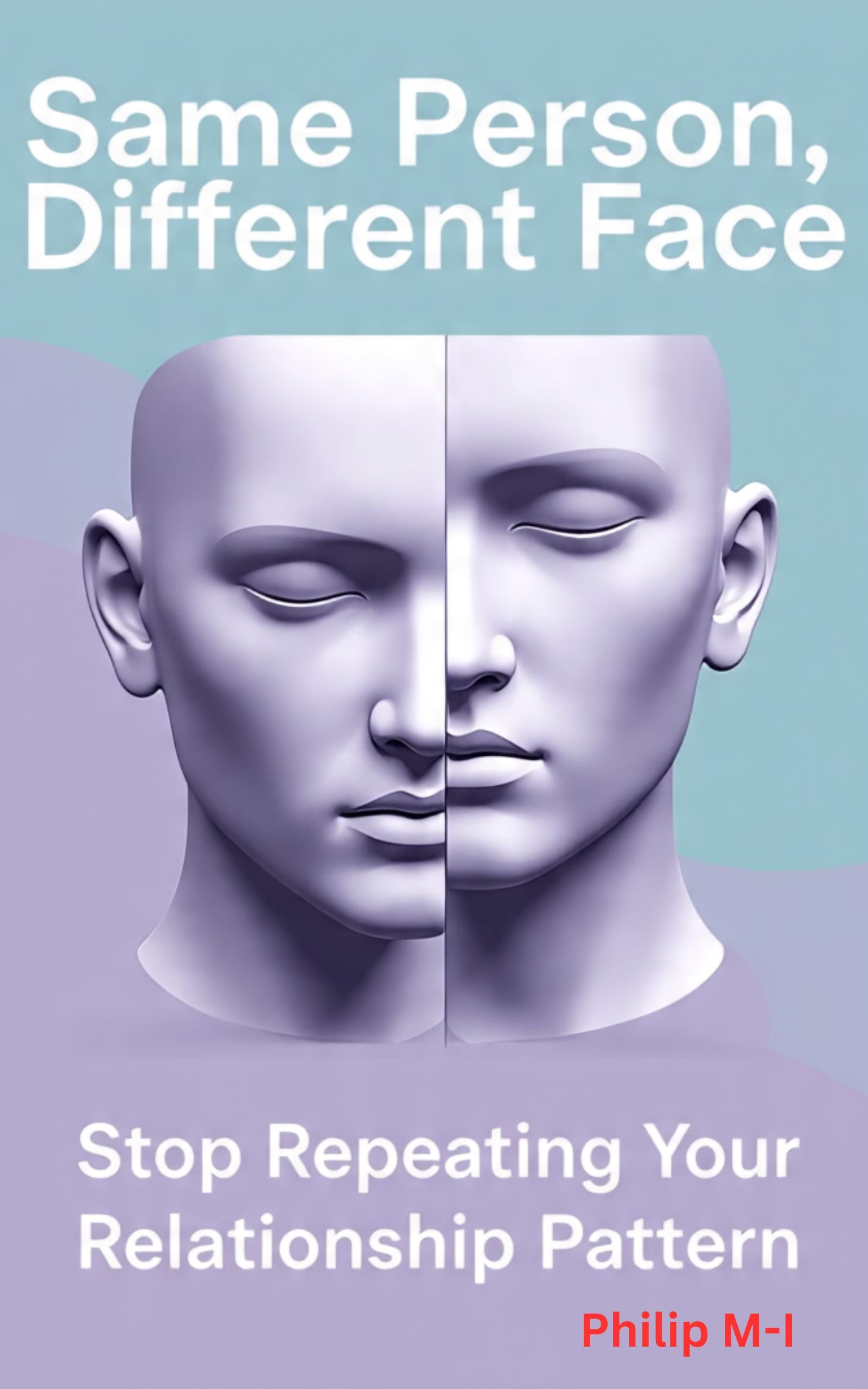
Tired of dating the same person? Learn why you attract emotionally unavailable partners and the 4-step plan to break the cycle for good and find healthy love.
Have you ever found yourself on a third or fourth date, and a chilling sense of familiarity washes over you? It is not about the restaurant or the conversation topic. It is the person sitting across from you. Despite having a different name, a different face, and a different job, their behavior, their communication style, and the subtle emotional distance they maintain feel hauntingly recognizable. You think to yourself, I keep attracting partners who are emotionally unavailable, and I don’t know how to stop. This experience, often called dating the same person, is a frustrating and painful cycle that leaves many people feeling hopeless about their love lives. It is not a coincidence or bad luck. It is a pattern, and like any pattern, it can be understood and, most importantly, broken.
The core reason we repeat relationship patterns lies in the complex interplay between our early attachments and our brain’s wiring for familiarity. From our earliest moments, we learn about love, safety, and connection from our primary caregivers. These early interactions form a blueprint, an internal working model, for what we expect from relationships later in life. If your childhood involved a parent who was distant, critical, or inconsistent with their affection, your brain may have learned that love is something you have to earn, that it is conditional, or that it is paired with anxiety. As adults, we are subconsciously drawn to partners who feel familiar, because our nervous system recognizes that dynamic. It feels like home, even if home was a place of emotional neglect.
This is not about blaming parents; it is about understanding the mechanics of attraction. Your brain, in its quest for efficiency, categorizes experiences. When you meet someone who emits the same subtle signals as a past partner or a parental figure—a certain tone of voice, a type of humor that masks vulnerability, a pattern of pulling away when things get close—it triggers a sense of familiarity. This feeling can be misinterpreted as chemistry or a deep connection when, in reality, it is your subconscious recognizing a known pattern. The problem is that this pattern is often one of unavailability, leading to the repeated experience of dating the same person.
Before you can change a pattern, you must first be able to see it clearly. Many people go through life aware that their relationships keep ending the same way, but they struggle to identify the common threads. Here are some key indicators that you might be dating the same person with a different face.
Breaking free from the cycle of dating the same person requires more than just positive thinking or vowing to choose better next time. It demands a deliberate and compassionate inward journey. The following steps provide a structured approach to dismantling the old blueprint and creating a new one for healthy, secure love.
The first step is to gather data. You cannot change what you do not understand. Take out a journal and list your significant past partners. For each one, write down the answers to these questions without judgment.
As you review your answers, look for the common themes. You will likely see a clear pattern emerge. Perhaps all your partners had a tendency to avoid difficult conversations. Maybe they were all charismatic and life-of-the-party types who made you feel special initially but left you feeling unseen later. This audit is not about shaming yourself for your choices. It is about identifying the specific profile of the person you have been consistently attracting.
Now that you have identified the modern-day pattern, it is time to explore its roots. Ask yourself: Where have I felt this way before? The dynamics we play out in our adult relationships are often echoes of our earliest experiences of love and attachment.
Consider your childhood and adolescent relationships with caregivers. Did you have to be perfect to receive praise? Was emotional expression discouraged? Did you feel responsible for a parent’s happiness? The partner who is emotionally unavailable may feel familiar because it replicates the dynamic you had with a parent whose love felt conditional or distant. The partner who is chaotic and needs saving may mirror a childhood where you had to care for a parent or sibling. By connecting the present-day pattern to its historical source, you rob it of its subconscious power. You realize you are not drawn to this person; you are drawn to the familiar dynamic, and you can now make a conscious choice to seek something different.
Your old blueprint for love is based on familiarity, not health. It is time to draft a new one. This new blueprint is a conscious list of what you truly need and deserve in a partner and a relationship. It goes beyond superficial preferences and gets to the core of emotional safety and compatibility.
Create two lists. The first is your Non-Negotiable Needs. These are the qualities a partner must have for a relationship to be healthy for you. Examples include emotional availability, integrity, respect for your boundaries, and effective communication skills. The second list is your Deal-Breakers. These are the behaviors or traits that you will no longer tolerate, drawn directly from the patterns you identified in Step 1. Examples include stonewalling during arguments, inconsistent communication, or a lack of accountability.
A blueprint is useless if you do not build from it. This final step is about putting your new awareness into practice. It involves changing your behavior in the early stages of dating. Move slower. Let the infatuation phase settle and observe how the person acts over time. Do their actions match their words? Do they respect your boundaries when you set them? Pay more attention to how you feel when you are with them. Do you feel calm and secure, or anxious and on edge? Your feelings are data. Trust them.
Most importantly, be prepared to walk away at the first red flag that violates your new blueprint. This is the ultimate test. Breaking a deep-seated pattern requires the courage to choose your well-being over the addictive pull of familiarity.
Understanding these steps is one thing; integrating them into your life is another. The journey of breaking a deep-seated relationship pattern can feel isolating and overwhelming. Having a structured guide can provide the clarity and support needed to make lasting change. The book Same Person Different Face Stop Repeating Your Fail Relationship Pattern is designed to be that guide.
This resource delves deeper into the psychology of relationship patterns, offering practical exercises and insights to help you. It can help you uncover the hidden drivers of your attractions, provide a clear framework for healing your attachment style, and give you the tools to build a new magnetic pull towards partners who are capable of healthy, reciprocal love. Instead of feeling stuck in the cycle of dating the same person, you can use this knowledge to build a new foundation for your romantic life.
The cycle of dating the same person is not a life sentence. It is a habit, born from old wiring and a subconscious search for a familiar version of love. By bringing these patterns into your conscious awareness, you take the first step toward reclaiming your power. You are not broken; you are patterned. And patterns can be changed. The work involves honest self-reflection, tracing the pattern to its source, and courageously enforcing new standards. With this approach, and with supportive resources like Same Person Different Face Stop Repeating Your Fail Relationship Pattern, you can break the cycle. You can move from a place of frustration and hopelessness to one of clarity and confidence, finally opening the door to the secure and fulfilling relationship you deserve.