Address
304 North Cardinal
St. Dorchester Center, MA 02124
Work Hours
Monday to Friday: 7AM - 7PM
Weekend: 10AM - 5PM
Address
304 North Cardinal
St. Dorchester Center, MA 02124
Work Hours
Monday to Friday: 7AM - 7PM
Weekend: 10AM - 5PM
Learn how to fix the “I’ll be left” belief. This guide offers steps to reprogram this fear of abandonment and build a new expectation of security and secure connection.
There’s a quiet certainty that runs your relationships, a background program that dictates your emotional reality. It’s the belief that says, no matter what, you will be left. This isn’t about a single breakup or loss; it’s a foundational expectation that everyone will eventually walk away. You might find yourself bracing for the end even at the beginning, interpreting small signs as confirmation of your deepest fear, or pulling away first to avoid the inevitable hurt. This core belief shapes your world, turning potential connections into sources of anxiety and preemptive grief.
This predictive belief often forms early. It can stem from a significant childhood abandonment, whether physical or emotional. It might develop from inconsistent caregiving, where a parent was sometimes present and sometimes not, teaching you that love is unreliable. For others, it builds over time through a series of losses or betrayals that seem to form a pattern. The mind, seeking to protect you from future pain, makes a conclusion: “If I expect to be left, I can prepare for it. I won’t be caught off guard.” The problem is, this protective mechanism becomes a prison. It filters your experiences, making you see evidence of impending abandonment everywhere, while blinding you to evidence of stability and commitment.
Operating from this certainty has a profound cost. It can lead to sabotaging healthy relationships because you unconsciously test people until they leave, fulfilling the prophecy. It creates a constant state of low-grade anxiety and hyper-vigilance in partnerships. You may struggle to be truly vulnerable, holding a part of yourself back. Alternatively, you might become overly clingy or accommodating, bending yourself to avoid giving someone a reason to go. Both strategies are exhausting and prevent the deep, secure attachment you genuinely desire. The belief doesn’t just predict the future; it actively creates it.
The path forward isn’t about positive thinking or simply “choosing to trust.” It requires a deliberate rewiring of the subconscious program. The goal is to move from a predictive certainty of loss to a present-moment experience of connection. This involves identifying the specific triggers, challenging the automatic thoughts, and most importantly, creating new neural pathways that allow for a different expectation. You must give your mind new evidence, not just through external events, but through internal rehearsal and cognitive restructuring. It’s the work of becoming the architect of your own emotional reality, rather than a prisoner of an old story.
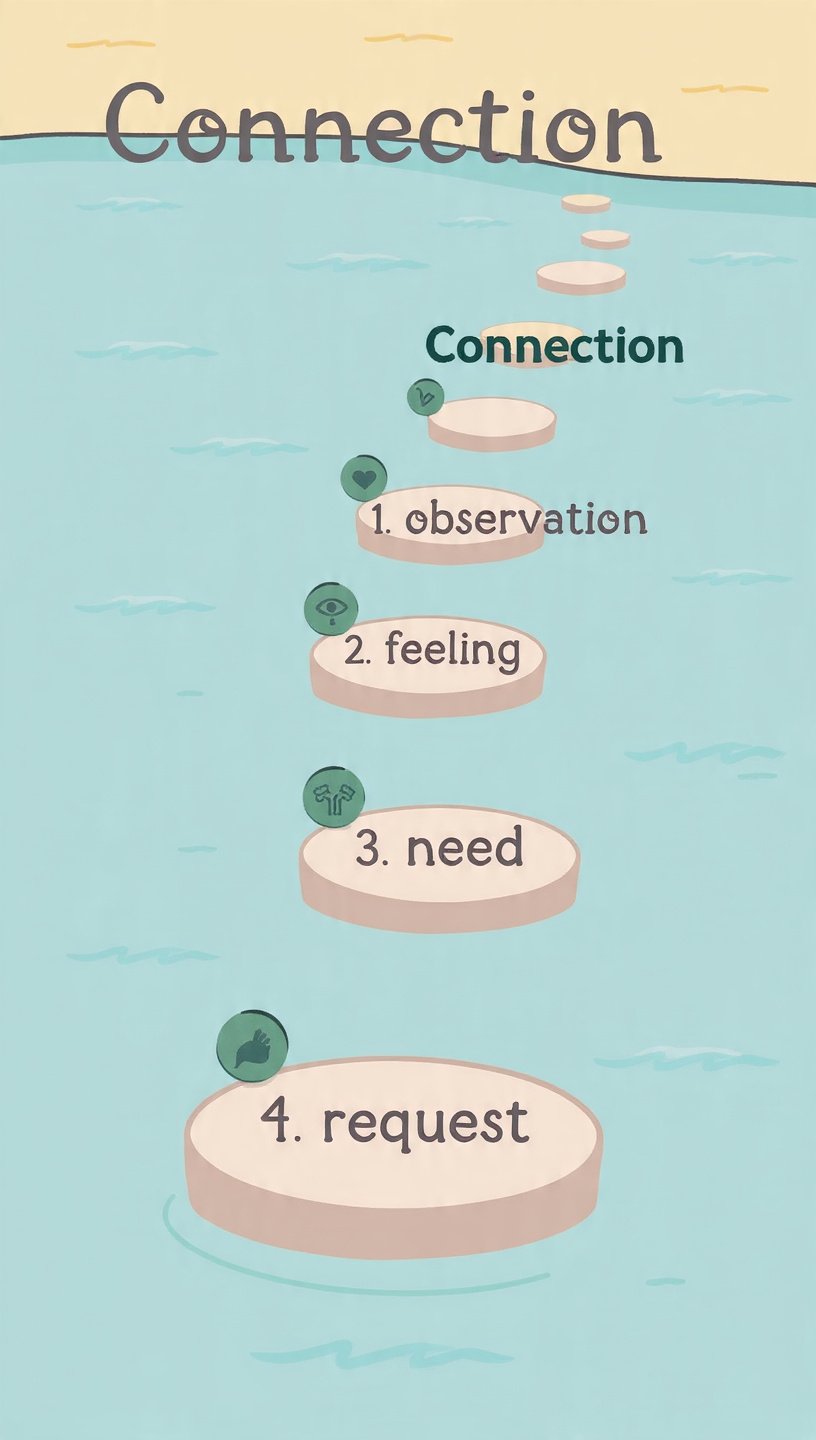
This work is structured and compassionate. Think of it as a renovation project for your inner world. Here is a practical framework to begin with:

While self-guided work is powerful, a structured system can provide the missing blueprint for lasting change. For those seeking a comprehensive guide to dismantle this specific core belief and build a new foundation of security, a dedicated resource can be invaluable. The Reality Architect is designed for this exact purpose. It offers a step-by-step process to not just understand the “I’ll be left” belief, but to actively reprogram it. The guide moves you from predictive anxiety to a new, stable expectation of secure connection, providing exercises and frameworks to rebuild your inner world from the ground up.
Creating a new expectation is like building a muscle. It requires consistent repetition of new thought patterns and behaviors. Security becomes your new baseline when you:
This journey transforms your relational landscape. The old certainty of being left loses its power, replaced by a flexible confidence in your ability to navigate connection. You stop living in a feared future and begin participating fully in your present relationships. The work leads to a profound liberation, allowing you to engage with others from a place of choice, not fear, and to finally build the lasting bonds you’ve always wanted.