Address
304 North Cardinal
St. Dorchester Center, MA 02124
Work Hours
Monday to Friday: 7AM - 7PM
Weekend: 10AM - 5PM
Address
304 North Cardinal
St. Dorchester Center, MA 02124
Work Hours
Monday to Friday: 7AM - 7PM
Weekend: 10AM - 5PM

Learn how to stop feeling unworthy of love by challenging the core belief that fuels relationship fears. A guide to building authentic self-worth.
There is a quiet, persistent voice that many of us know too well. It whispers that you are not enough, that your flaws are too great, that you must earn affection through constant effort. This is the belief of being unworthy of love. It is not a simple insecurity; it is a foundational story you have built about who you are. You might find yourself holding back in relationships, fearing rejection before it happens, or feeling like a fraud waiting to be discovered. This belief, that you are too flawed to be loved fully, colors every interaction and creates a wall between you and the connection you truly want.
This core belief rarely appears out of nowhere. It is often constructed from early experiences, messages absorbed from caregivers, past rejections, or societal pressures. Perhaps you learned to associate love with performance, or you internalized criticism as truth. These experiences act like bricks, slowly building a structure in your mind that says, “I am not lovable as I am.” The mind, in its attempt to protect you from future pain, holds onto this belief as a warning. But instead of protecting you, it isolates you.
This belief does not stay as a quiet thought. It shows up in your behavior and emotions. You might recognize these patterns:
These are not character flaws. They are the logical, self-protective actions of someone operating from a deep-seated belief that they are unworthy. The fear of abandonment and commitment are not separate issues; they are branches growing from this same root.
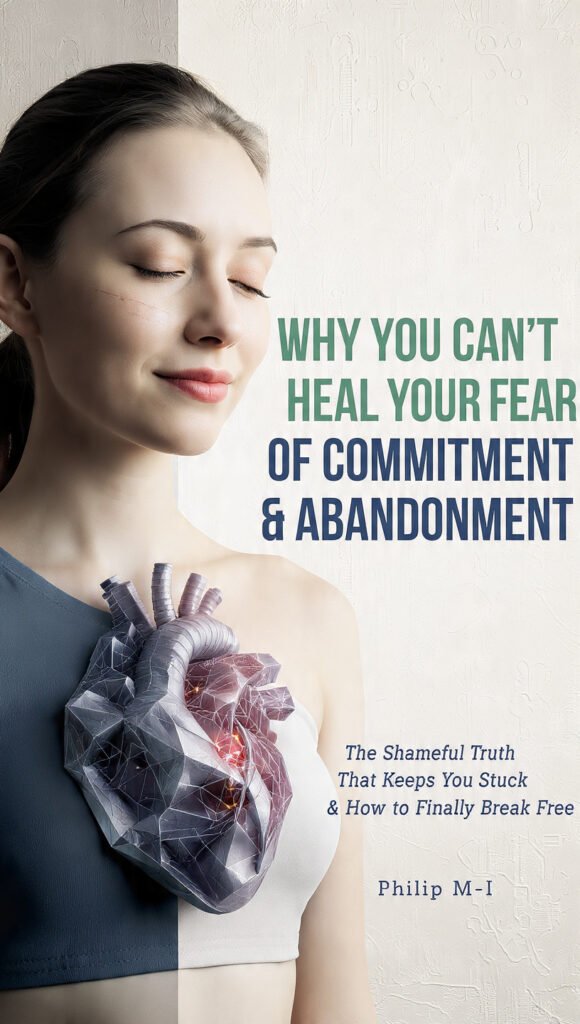
The path forward is not about positive affirmations that feel false. Telling yourself “I am worthy” when you do not believe it can create more internal conflict. The real work is in examining the belief structure itself. You must become the architect of your own internal reality. This means learning to identify the old, faulty stories, understanding where they came from, and consciously choosing to design new, truthful foundations. The goal is to challenge and dissolve the core belief of unworthiness that fuels all your relationship fears. When that core shifts, the fears lose their power.
This kind of change requires more than willpower. It needs a method. A structured approach allows you to move from insight to lasting change. Consider these steps as a framework for your own work:
Undoing deep-seated beliefs is profound work, and having a clear guide can make the process more tangible and less overwhelming. For those seeking a detailed map for this journey, a resource like The Reality Architect provides a structured system. It focuses on the precise mechanics of how beliefs like unworthiness are formed and offers practical exercises to dismantle them. This guide helps you move from being subject to your old stories to becoming the active designer of your emotional reality, directly addressing the roots of commitment and abandonment fears.
The feeling of being unworthy of love is a heavy burden, but it is not a life sentence. It is a story, and stories can be rewritten. The very fact that this pain matters to you is evidence of your deep capacity for love and connection. By turning a compassionate and curious eye toward this old belief, you begin to loosen its grip. You start to create space for a different experience—one where connection feels possible, not perilous. The work is in choosing, day by day, to build a new internal foundation where worthiness is not something to earn, but something to remember.