Address
304 North Cardinal
St. Dorchester Center, MA 02124
Work Hours
Monday to Friday: 7AM - 7PM
Weekend: 10AM - 5PM
Address
304 North Cardinal
St. Dorchester Center, MA 02124
Work Hours
Monday to Friday: 7AM - 7PM
Weekend: 10AM - 5PM
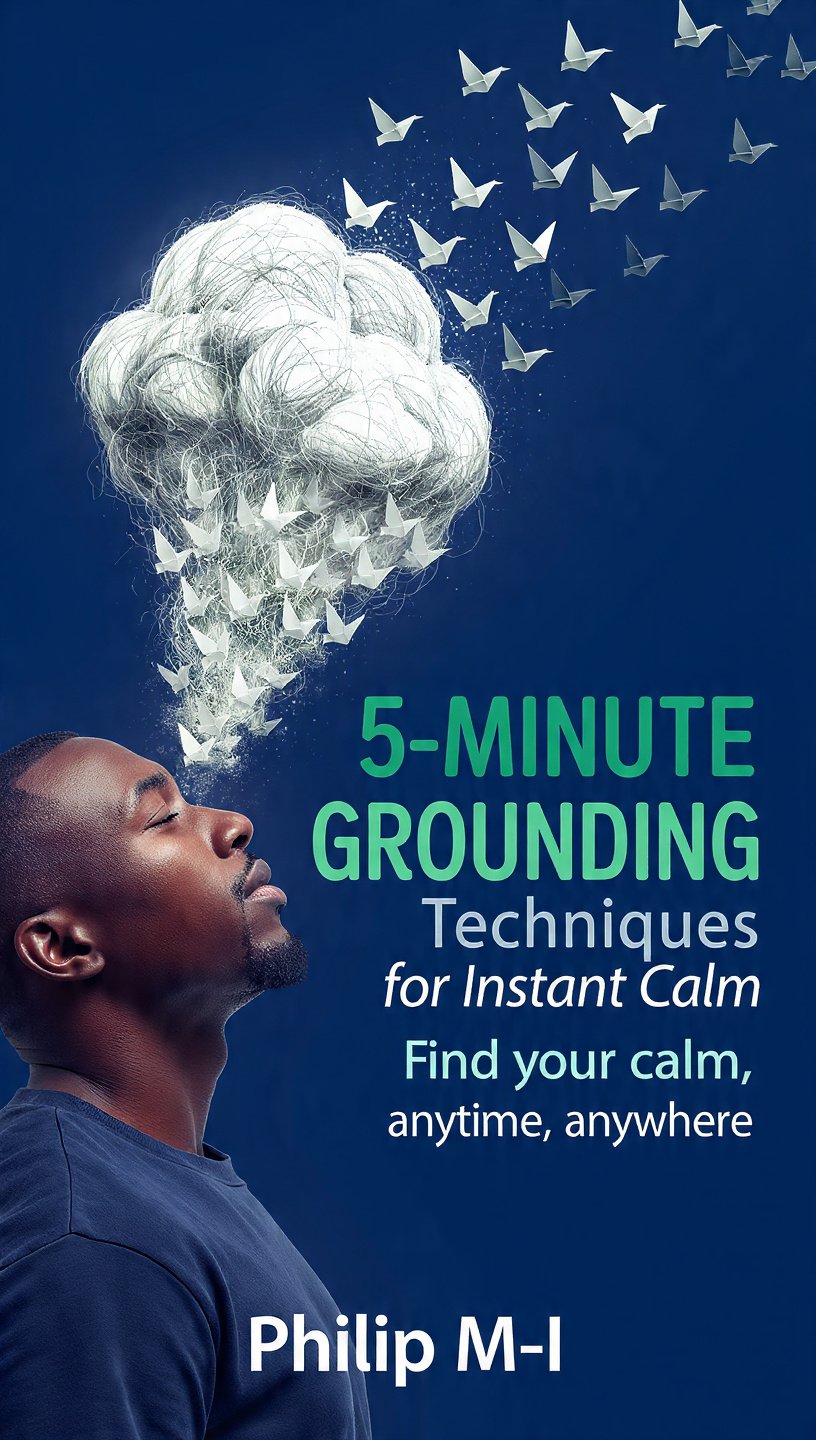
Learn how to calm your nervous system in minutes with simple grounding techniques. Stop feeling wired and on-edge. Find instant relief and lasting peace.
That sensation is unmistakable. Your heart thumps against your ribs like a trapped bird. Your hands feel a little too shaky to hold a steady cup of coffee. A constant, buzzing energy courses through your limbs, making it impossible to sit still, yet you feel too drained to actually do anything. Your mind races through a loop of “what ifs” and worst-case scenarios. This is the reality of a nervous system stuck in overdrive. It is not just in your head; it is a full-body experience of being perpetually on high alert. Your body is essentially sounding a false alarm, reacting to non-life-threatening stressors as if they were immediate physical dangers. The good news is that just as your body learned to ramp up, it can also learn to ramp down. You can find your way back to a state of calm.
To effectively calm your nervous system, it helps to understand why it gets so activated in the first place. This high-alert state is governed by your autonomic nervous system, specifically the sympathetic branch. Think of it as your body’s built-in survival mechanism. When your brain perceives a threat—whether it is a looming work deadline, a difficult conversation, or a sudden loud noise—it floods your system with stress hormones like adrenaline and cortisol. This triggers the fight-or-flight response: your pupils dilate to take in more information, your heart rate and breathing accelerate to pump oxygen to your muscles, and your digestion slows to conserve energy. This is brilliant for escaping a saber-toothed tiger. It is less helpful when the “tiger” is an overflowing inbox or traffic jam. When this system is repeatedly triggered by modern stressors, it can get stuck in the “on” position, leaving you feeling physically wired, shaky, and on-edge all the time.
The goal is not to eliminate stress entirely, but to give your system the signal that the danger has passed. This allows the parasympathetic nervous system—often called the “rest and digest” system—to take over. The techniques below are designed to do just that: send a powerful message of safety to your brain and body. They are most effective when practiced regularly, not just in moments of peak stress, building your resilience over time.
This method is a powerful way to pull your attention away from internal panic and into the safety of the present moment by engaging all your senses. It works by forcing your cognitive brain to focus on concrete, simple tasks, which interrupts the amygdala’s fear response.
You cannot be in a state of panic and breathe slowly at the same time. Your breath is a direct line to your nervous system. While many deep breathing exercises exist, one of the most rapid and effective is the physiological sigh. It is a pattern we naturally do to reset our breathing, and it is incredibly efficient at reducing stress.
Repeat this cycle just two or three times. You will likely feel an immediate wave of calm as it helps to reinflate the tiny air sacs in your lungs and rapidly expel carbon dioxide, which signals safety to your body.
A sudden, brief change in temperature can jolt your nervous system out of its panic loop. This works by activating the mammalian dive reflex, which slows your heart rate and redirects blood flow to conserve oxygen.
The key is for the sensation to be a brief, sharp shock, not prolonged exposure. This simple act can provide an almost instantaneous reset.

While these in-the-moment techniques are vital, creating a lifestyle that supports a resilient nervous system is the ultimate goal. This involves consistent practices that lower your overall stress baseline.
Understanding these techniques is the first step. The next is integrating them seamlessly into your life, especially when you need them most. If you are looking for a guided, structured approach that combines these powerful methods into a single, easy-to-use resource, consider exploring the 5 Minute Grounding Techniques for Instant Calm. This tool is designed to provide immediate relief, walking you through proven exercises that can halt a rising panic attack, ease general anxiety, and bring your nervous system back to a state of balance in just a few minutes. It is a practical companion for anyone tired of feeling at the mercy of their own physiology.
Feeling physically wired and on-edge is an exhausting way to live, but it is not your permanent state. Your nervous system is designed to be flexible. By using these grounding techniques and building supportive habits, you are not just managing symptoms; you are actively teaching your body a new language of safety and calm. You are showing it that you are, in fact, safe. Start with one technique. Practice it when you are already calm so it becomes a reliable tool for when you are not. With consistent effort, you can move from a state of constant alert to one of grounded presence, reclaiming the peace that is your natural birthright.