Address
304 North Cardinal
St. Dorchester Center, MA 02124
Work Hours
Monday to Friday: 7AM - 7PM
Weekend: 10AM - 5PM
Address
304 North Cardinal
St. Dorchester Center, MA 02124
Work Hours
Monday to Friday: 7AM - 7PM
Weekend: 10AM - 5PM
Discover why you attract narcissists and learn actionable steps to break this painful relationship cycle for good. Reclaim your power and find healthy love.
You meet someone new. They are magnetic, confident, and shower you with attention. It feels like a dream come true, a connection you have been waiting for. But slowly, the dream shifts. The confidence becomes arrogance. The attention turns into control. The charisma masks a deep self-centeredness. You find yourself drained, confused, and asking that painful, recurring question: Why does this keep happening to me? Why do I always attract narcissists?
If this cycle feels familiar, it is crucial to understand that you are not the problem, but you may be caught in a pattern. The act of repeatedly attracting narcissistic partners is not a curse or bad luck. It is a psychological dynamic rooted in your past experiences, your self-perception, and the hidden templates for love and connection that you developed long ago. This article will guide you through the reasons behind this pattern and provide a clear path to break it for good.
Narcissists are often incredibly charming in the beginning, a phase known as “love bombing.” They are skilled at identifying individuals with specific qualities—empathy, kindness, and a desire to see the best in people. This initial stage is intoxicating because it meets a deep human need for validation and specialness.
For many, this intense focus feels like finally being seen. However, this is often a strategic maneuver. The narcissist is presenting a false self, a mirror reflecting exactly what they believe you want. You are not attracted to a healthy, whole person; you are drawn to a performance designed to hook you. The very traits that make you a caring, loyal partner—your empathy and capacity for understanding—are the very things the narcissist feeds on.
To break the cycle, you must look inward with compassion. The pattern exists for a reason, and it is often tied to subconscious programming.
Our earliest relationships with caregivers form a blueprint for what love feels like. If you grew up in an environment where love was conditional, where you had to earn affection through achievement, or where a parent was emotionally unavailable, self-absorbed, or critical, this becomes your normal. Your nervous system becomes wired to associate love with a mix of high intensity and inconsistent reward, followed by disappointment. A narcissistic partner replicates this familiar dynamic, making the unhealthy feel like home.
Many people who attract narcissists have a strong desire to fix, help, or save their partners. You see the potential, the “wounded child” inside the narcissist, and you believe your love can heal them. This “savior complex” is a dangerous trap. It places your sense of value and purpose outside of yourself, tying it to someone who is fundamentally incapable of reciprocating. The narcissist will happily accept your efforts while giving little to nothing in return, leaving you perpetually drained.
Sometimes, the pattern persists because, on some level, you do not believe you deserve consistent, respectful love. If you struggle with self-esteem, the initial love-bombing from a narcissist can feel like a drug—it temporarily fills a void. When they begin to devalue you, it unfortunately confirms a deep-seated belief that you are not good enough. You might tolerate mistreatment because it feels more familiar than the scary prospect of being with someone truly stable and available.
Narcissists gravitate towards people with porous boundaries. If you find it difficult to say “no,” feel responsible for other people’s feelings, or often compromise your own needs to keep the peace, you are a prime target. The narcissist will systematically test and erode your boundaries. Without strong, clear limits, you become enmeshed in their world, losing sight of your own identity and reality.
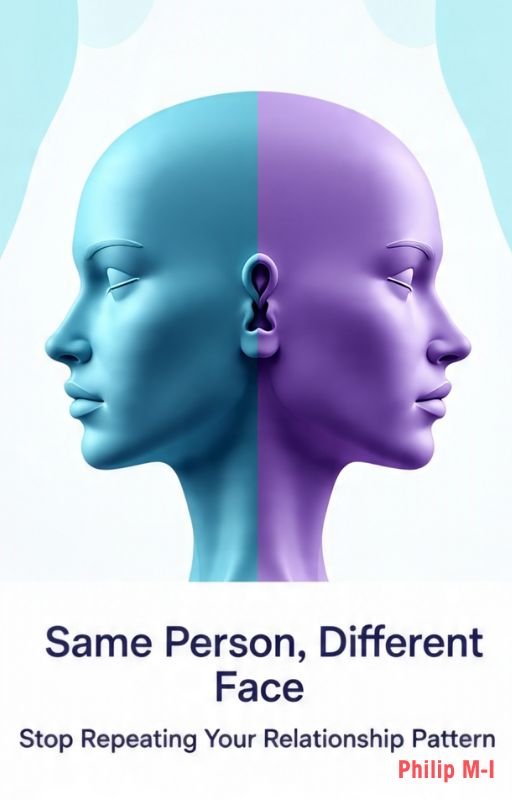
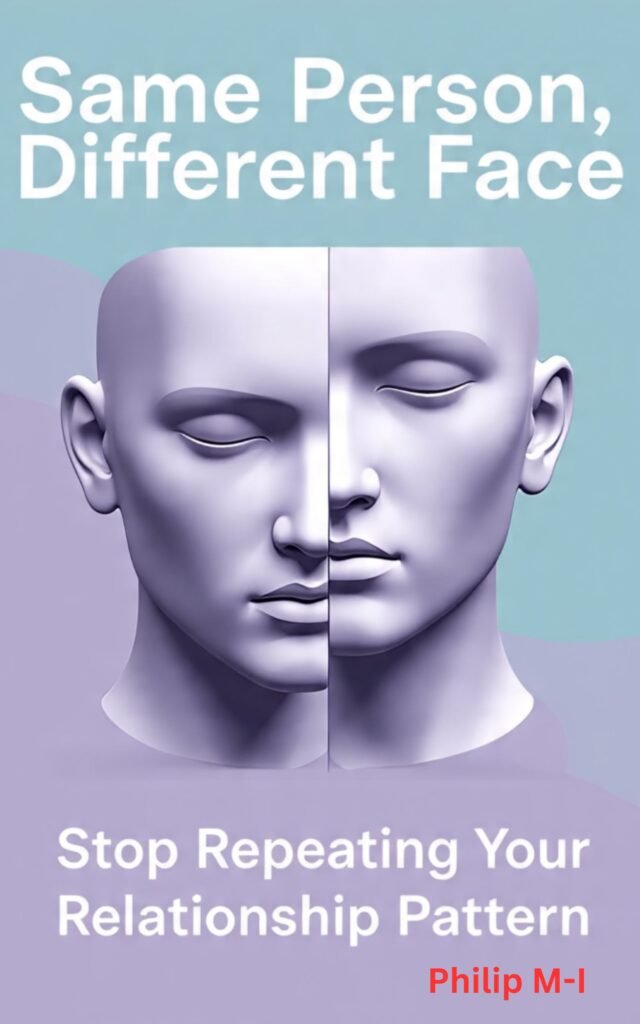
This is the heart of the issue. You may believe you are choosing different people, but if you look closely, you are likely following an invisible script. The personalities, appearances, and circumstances might change, but the core dynamics of your relationships are eerily similar. You keep casting different actors in the same painful play. This is the definition of the pattern captured in the powerful guide, Same Person Different Face Stop Repeating Your Fail Relationship Pattern. Until you identify and rewrite this script, you will continue to attract the same type of emotionally unavailable or destructive partner.
Breaking free from this pattern is a journey of self-reclamation. It is not about learning to spot narcissists better; it is about becoming a person who is no longer a match for their behavior. Here is how to start.
The first step is radical honesty. Admit that you are in a cycle. Look at your past relationships and identify the common threads—the controlling behaviors, the lack of empathy, the emotional rollercoaster. Write them down. This is not an exercise in self-blame, but in empowerment. You cannot change what you refuse to see.
Superficial fixes will not break a deep-seated pattern. You need to understand the root causes from your past. Consider therapy, journaling, or guided self-help resources designed specifically for this issue. For a structured approach to this deep work, the Same Person Different Face program offers a pathway to identify your unique relationship blueprint and dismantle it for good.
Boundaries are the foundation of self-respect. They are the rules you set for how others are allowed to treat you. Start small. Practice saying no to small requests that inconvenience you. Clearly state your needs and be prepared to walk away if they are consistently ignored. A narcissist will lose interest quickly when they encounter firm, non-negotiable boundaries.
Stop dating someone’s potential. Fall in love with the reality of who they are today. Do their actions match their words? Are they consistent? Do they take responsibility for their mistakes? A person who is genuinely capable of a healthy relationship will demonstrate it through their daily behavior, not through grand promises for the future.
The most important relationship you will ever have is the one with yourself. When you become your own primary source of validation and love, you will no longer be desperate for the crumbs offered by a narcissist. Invest in your hobbies, nurture your friendships, and learn to enjoy your own company. The more whole you become on your own, the less likely you are to accept a partner who detracts from your life.
The painful cycle of attracting narcissists can end. It ends not by changing them, but by changing yourself. It ends when you decide that your well-being is non-negotiable and that you are worthy of a love that is consistent, respectful, and kind. By understanding your past, strengthening your present self, and consciously choosing a different path, you can break the pattern for good.
You have the power to write a new story. To stop meeting the same person with a different face and start attracting a partner who reflects the healthy, whole person you are becoming. The journey begins with a single, courageous decision to choose yourself.