Address
304 North Cardinal
St. Dorchester Center, MA 02124
Work Hours
Monday to Friday: 7AM - 7PM
Weekend: 10AM - 5PM
Address
304 North Cardinal
St. Dorchester Center, MA 02124
Work Hours
Monday to Friday: 7AM - 7PM
Weekend: 10AM - 5PM
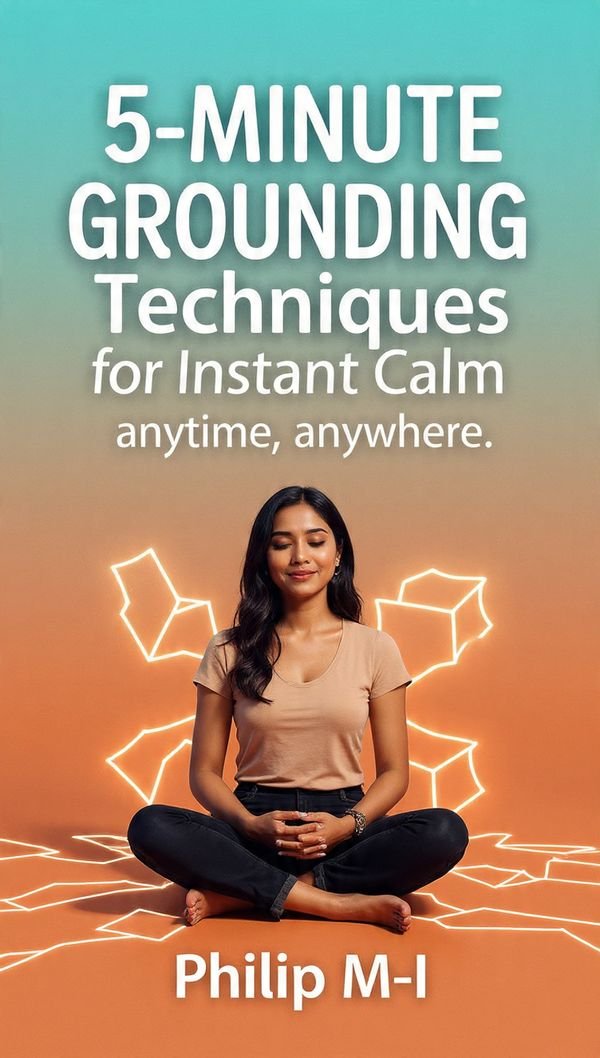
Master 7 instant grounding techniques for anxiety to stop panic in its tracks. Find immediate calm and control with these powerful sensory exercises.
Your heart begins to race without reason. Your breath becomes shallow, your palms grow damp, and a sense of impending doom washes over you. The world seems to tilt on its axis, and your thoughts spiral into a chaotic whirlwind. This experience—a sudden wave of panic—can feel isolating and overwhelming. In these moments, your primary need is simple: to find your way back to the present, to something solid and real. Grounding techniques offer that very lifeline, providing immediate tools to tether yourself when anxiety threatens to pull you under.
Grounding techniques are simple, powerful strategies designed to shift your focus away from anxious thoughts and back into the physical reality of the present moment. When anxiety strikes, your body’s fight-or-flight response is activated, often over a perceived rather than a real threat. This sends your nervous system into overdrive. Grounding works by engaging your senses—sight, sound, touch, smell, and taste—to interrupt this stress response. It tells your brain, “Look around, you are safe right here, right now.” It’s a way to quiet the internal storm by connecting with the external world.

These seven techniques are chosen for their speed and effectiveness. You can use them anywhere, at any time, with no special equipment required.
This method is a classic for a reason—it systematically pulls your attention to your immediate environment. Do not just think the answers; say them out loud or whisper them to yourself.
A sudden change in temperature can provide a powerful jolt to your system, pulling you out of your head and into your body.
The brief, sharp sensation acts as a circuit breaker for racing thoughts.
While taking a deep breath is common advice, structured breathing is far more effective. Anchor breathing gives your mind a specific task.
This technique occupies the cognitive part of your brain that is spiraling, giving it a concrete and neutral task.
The goal is not to be perfect, but to be distracted by a simple mental challenge.
This method combines physical sensation with mindful attention, rooting you firmly inside your body.
This sequential tensing and releasing builds a strong, felt sense of your physical self in space.
Choose a single, ordinary object from your surroundings. It could be a pen, a leaf, or a key. For one full minute, study it with intense focus.
By becoming a temporary expert on this one item, you leave little mental space for anxiety.
This is a one-breath reset, excellent for moments when you need something immediate and discreet.
This single action can release significant physical tension.
While these techniques are invaluable in a crisis, their power grows when practiced regularly. Using them even when you feel calm builds a familiar neural pathway, making the tools more effective and easier to access when panic does hit. Consider setting a reminder to practice one technique each day. This turns your coping skill into a resilient habit, strengthening your overall capacity to manage anxiety.

If you find these techniques helpful and want a more structured, guided approach to building this skill, consider exploring dedicated resources. For instance, a resource like the 5 Minute Grounding Techniques for Instant Calm can provide a systematic framework. This guide is designed to offer quick, reliable methods to return to a state of peace, making it a practical tool for anyone looking to fortify their mental well-being against sudden anxiety.
Remember, the wave of panic is temporary. With these grounding techniques for anxiety, you have a set of tools to help you navigate through it and find solid ground once more. Your sense of calm is closer than it feels.
“`