Address
304 North Cardinal
St. Dorchester Center, MA 02124
Work Hours
Monday to Friday: 7AM - 7PM
Weekend: 10AM - 5PM
Address
304 North Cardinal
St. Dorchester Center, MA 02124
Work Hours
Monday to Friday: 7AM - 7PM
Weekend: 10AM - 5PM
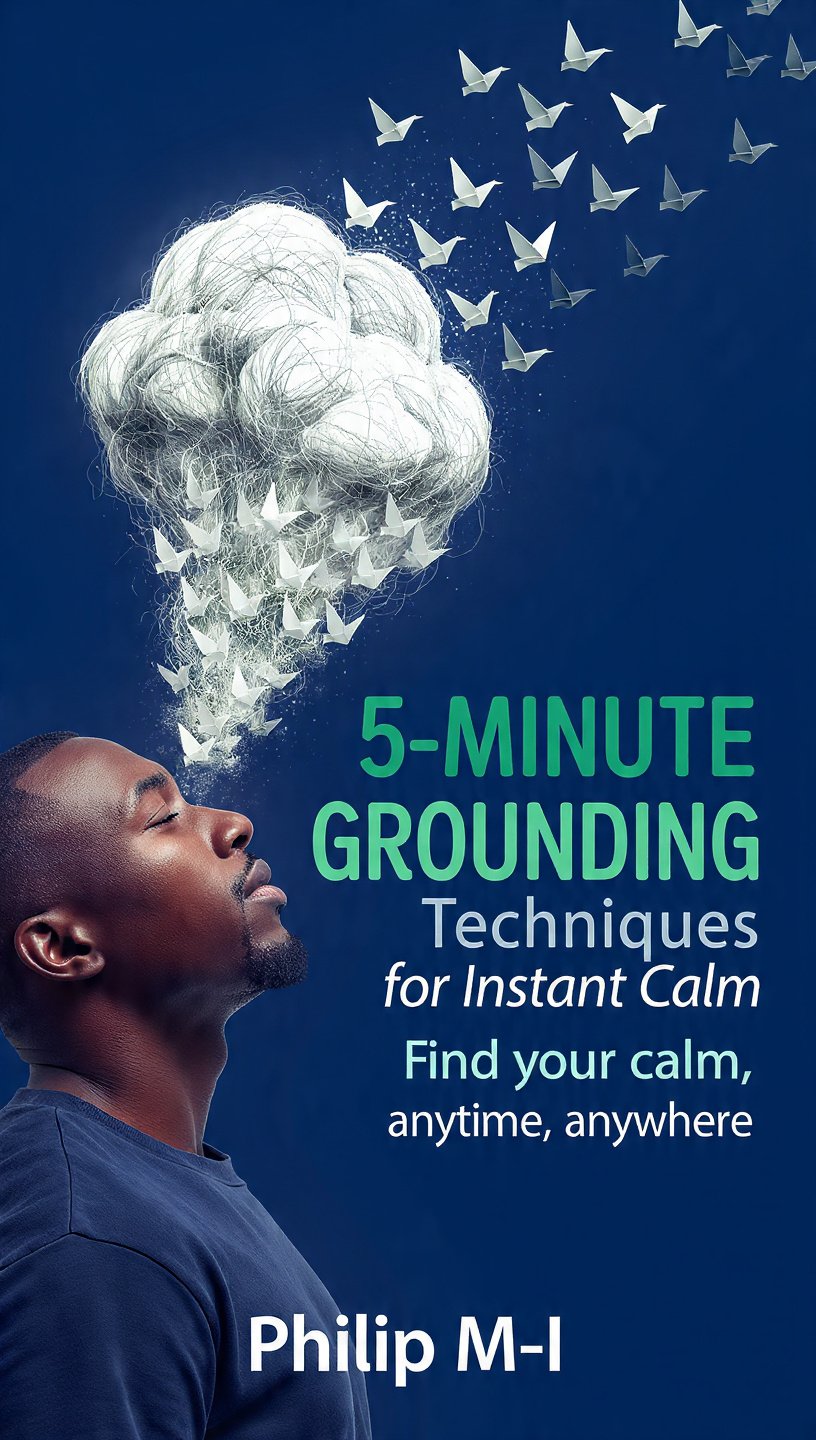
Overwhelmed at work? These 5-minute grounding exercises offer instant calm. Re-center quickly with simple sensory and breathing techniques for immediate stress relief.
That moment arrives without warning. Your heart rate quickens, thoughts begin racing in multiple directions, and the weight of deadlines, emails, and unending notifications makes the room feel smaller. This sensation of being overwhelmed at work is more than just an inconvenience; it’s a physiological and psychological response to stress that can derail your productivity and well-being. When you are in this state, your prefrontal cortex—the part of your brain responsible for rational thought and decision-making—is essentially hijacked by the amygdala, your brain’s alarm system. The good news is that you can reclaim control. You do not need an hour-long meditation session or a sudden vacation. You simply need a few minutes and a handful of effective grounding exercises.
Grounding is a practice that helps you pull your awareness away from the chaotic narratives in your head and reconnect with the present moment through your physical senses or your immediate environment. It is like hitting a mental reset button. These techniques are not about eliminating stress permanently but about creating a pocket of calm that allows you to approach your challenges with greater clarity and composure.
You might wonder if such a short amount of time can truly have an impact. The answer lies in interrupting the stress cycle. A stress response, once triggered, can sustain itself through a feedback loop of anxious thoughts and physical tension. A brief, focused grounding exercise breaks this loop. It gives your nervous system a chance to downshift from a state of high alert (fight-or-flight) to a more manageable state (rest-and-digest). This five-minute pause can lower your cortisol levels, slow your breathing, and provide the mental space needed to choose a response rather than simply react. It is a practical, accessible tool for anyone, anywhere—especially at a busy desk or in a demanding work environment.
The following exercises are designed for simplicity and speed. You can perform them at your desk, in a quiet conference room, or even during a brief bathroom break. The key is to engage fully for the short duration.
This technique is a powerful way to force your brain to engage with your present surroundings, diverting attention from internal panic to external reality. Do not just think about the items; actively look for them and note them mentally.

When overwhelmed, your breathing becomes shallow and rapid. By consciously controlling your breath, you directly influence your parasympathetic nervous system, encouraging it to calm your body. Box breathing is a structured and highly effective method used by everyone from athletes to first responders.
Stress and anxiety often manifest as physical tension in the body. This exercise brings your awareness to these sensations without judgment, which can help them release.
While these individual exercises are powerful, their effectiveness multiplies when they become a regular part of your routine. You do not have to wait for a crisis to practice grounding. Spending a few minutes each day, perhaps at the start of your workday or after lunch, can build your baseline resilience, making you less susceptible to becoming overwhelmed in the first place. Think of it as preventive maintenance for your mental clarity.
If you find these five-minute techniques helpful and wish to build a more structured and profound grounding practice, having a dedicated guide can be transformative. For those looking to integrate these moments of calm more deeply into their daily lives, the 5-Minute Grounding Techniques for Instant Calm guide offers a comprehensive collection of methods. This resource from The Reality Architect provides step-by-step instructions and additional strategies designed to help you consistently return to a state of balance, no matter what your workday brings. It is a practical tool for anyone committed to managing their stress and enhancing their focus.
Feeling overwhelmed is a signal, not a life sentence. It is your mind and body asking for a moment of pause. By having these simple, five-minute grounding exercises at your disposal, you equip yourself with the ability to answer that call. You can shift from being controlled by stress to being in control of your response, one deliberate breath and one observed sensation at a time.